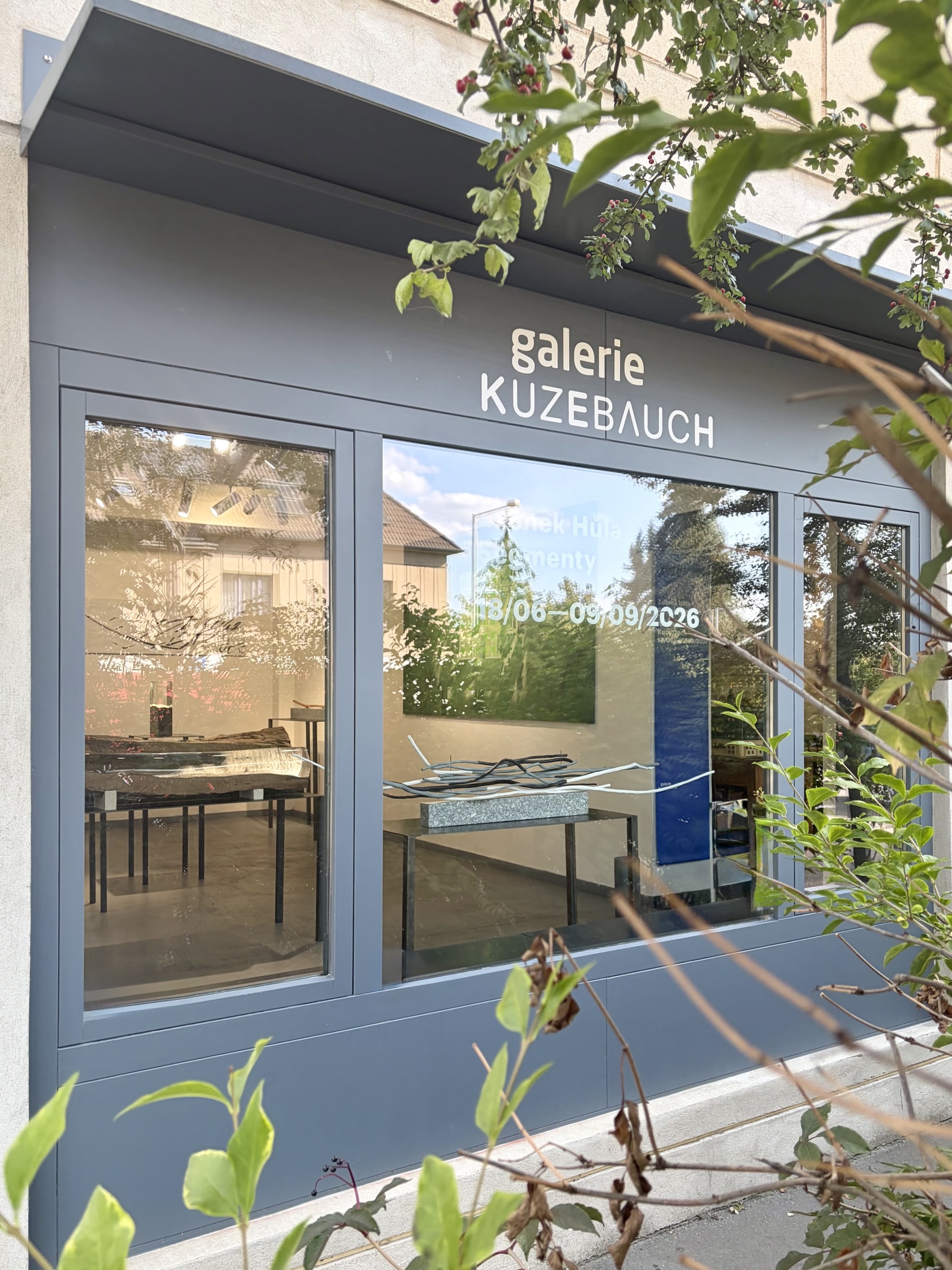
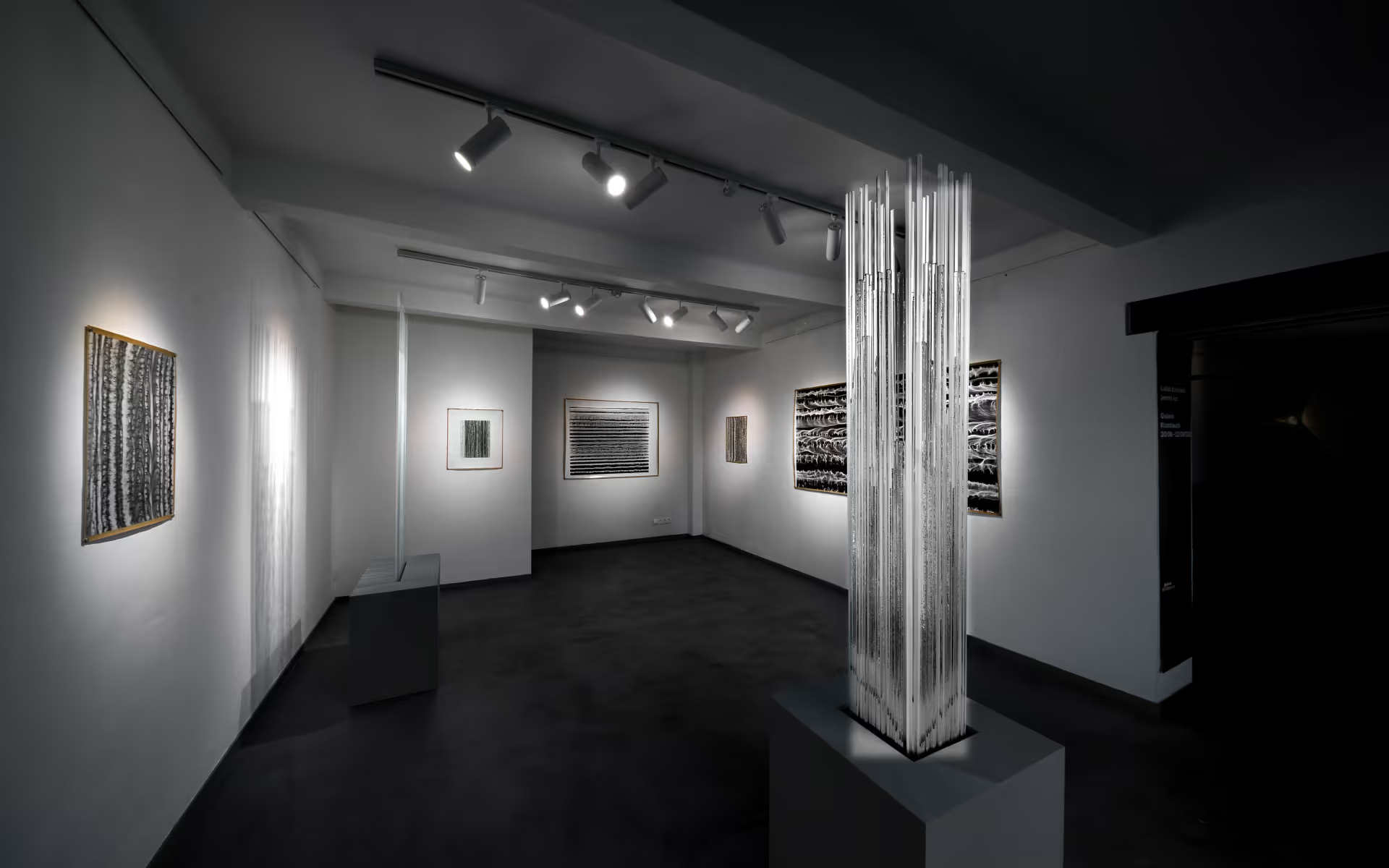
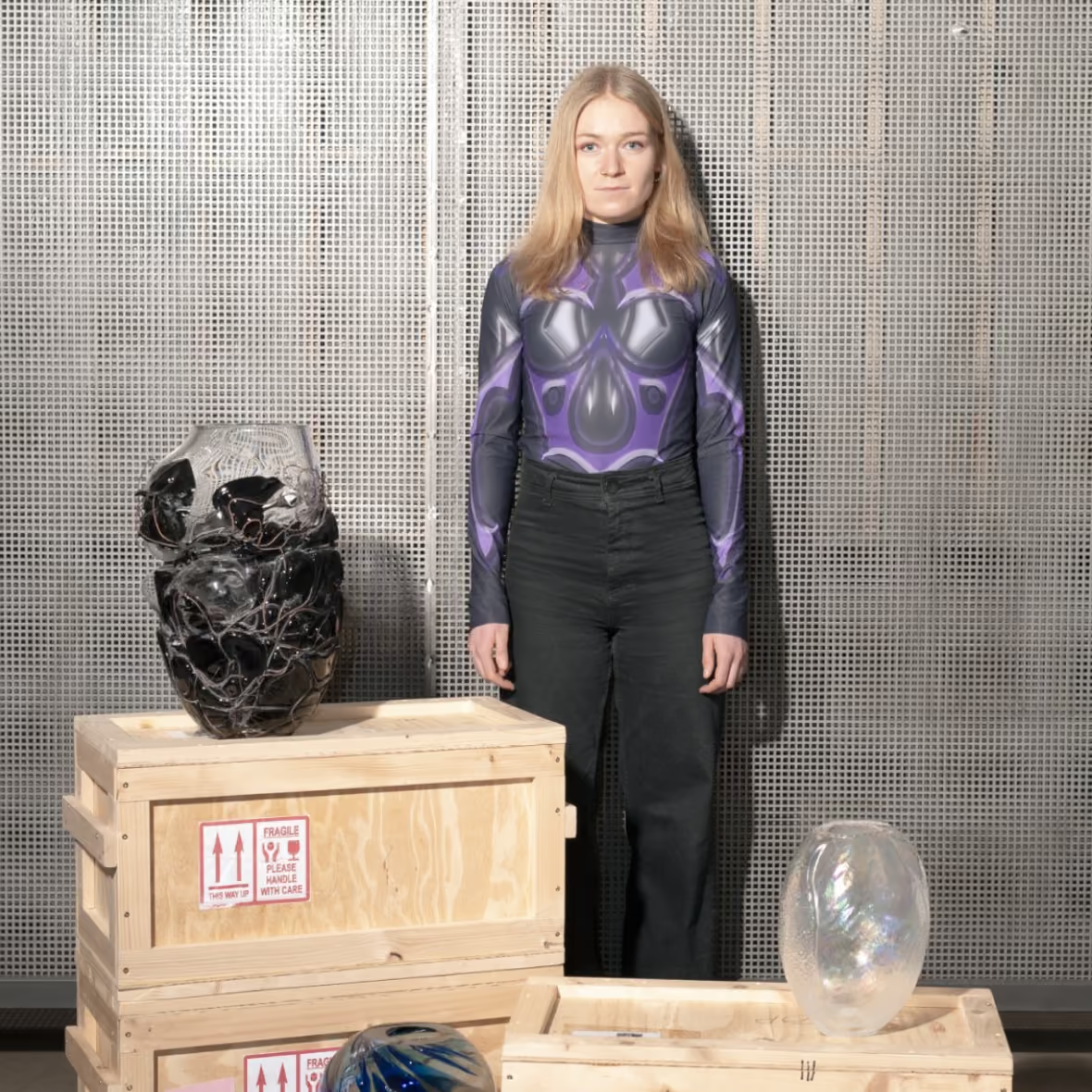
The first thing that any gallery visitor should know before acquainting themselves with Anna Jožová is that the artist’s works are strongly associated with a deep interest in themes such as man and his environment and the passage of time. Human beings, as well as any other living beings on this planet of ours – indeed also every non-living thing and abstract entity – have their own beginning and end. All of these form part of a chain, or cycle of existence, and inherently form an indelible component of the overall infinitely variegated tapestry of existence. Anna Jožová, with a deep understanding of this phenomenon, has never shied from exploring these themes, returning to them again and again in her works.
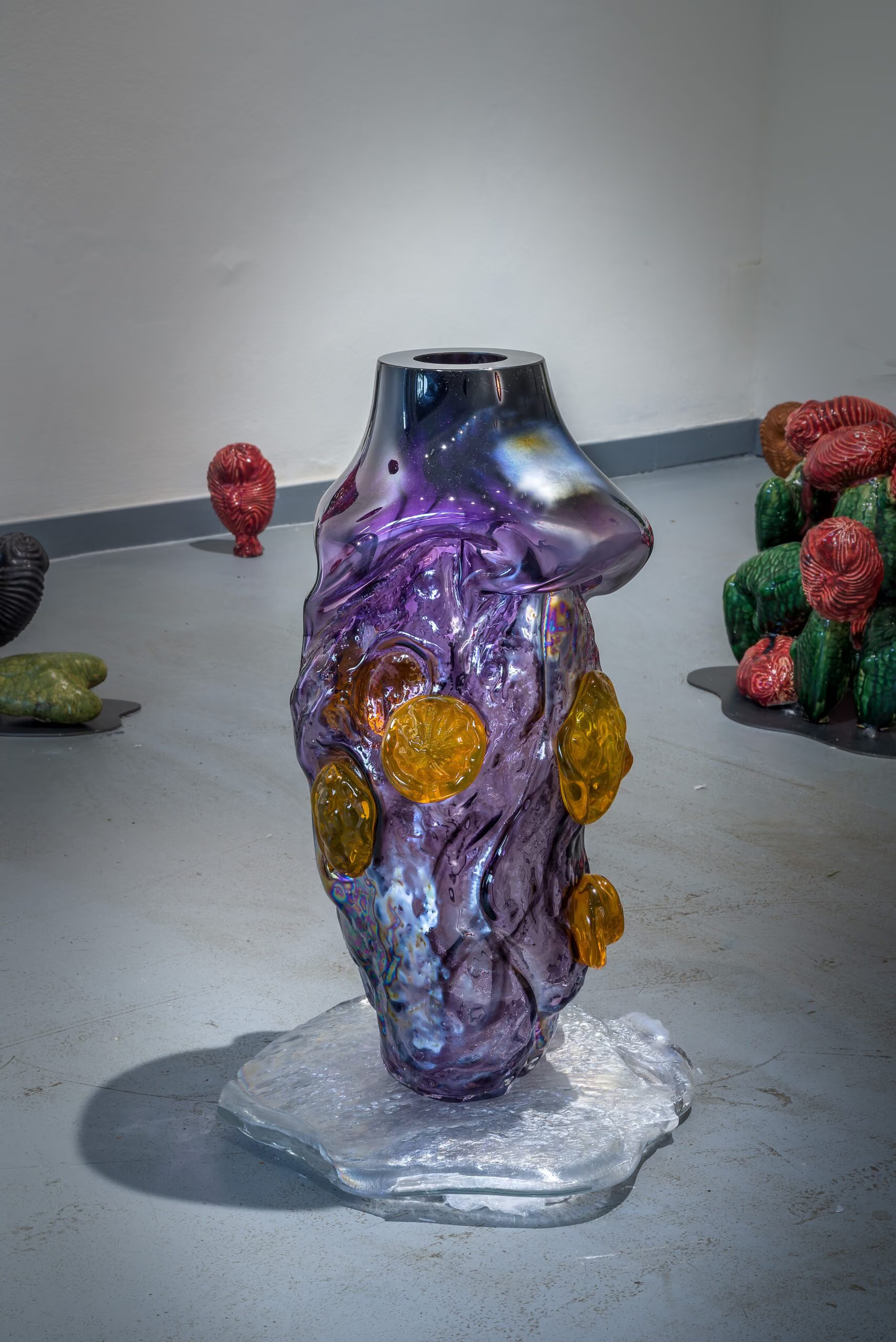
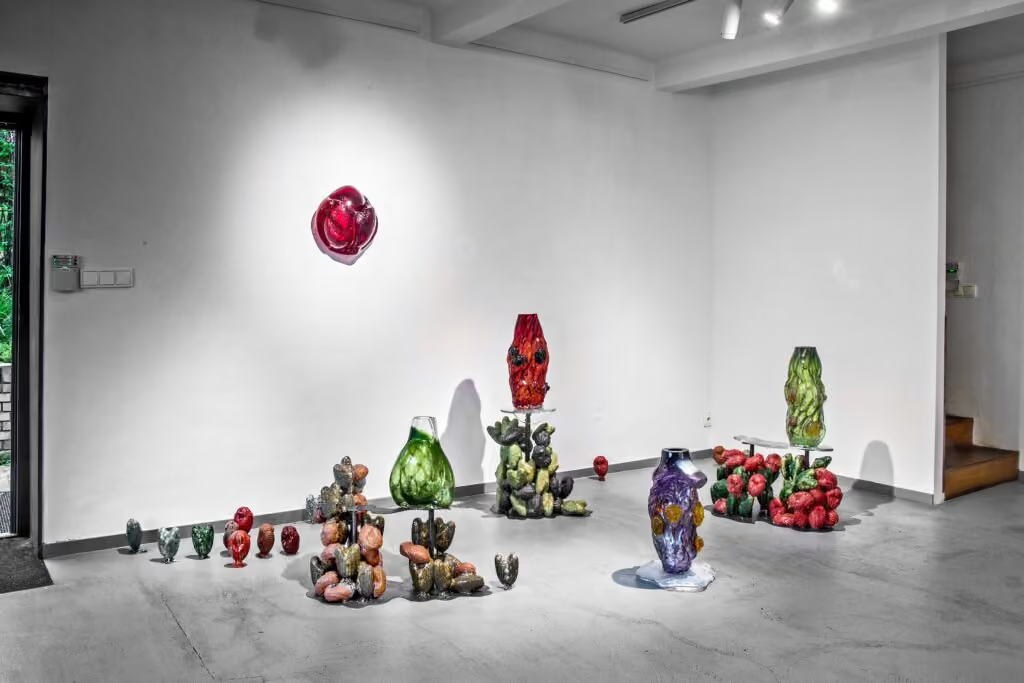
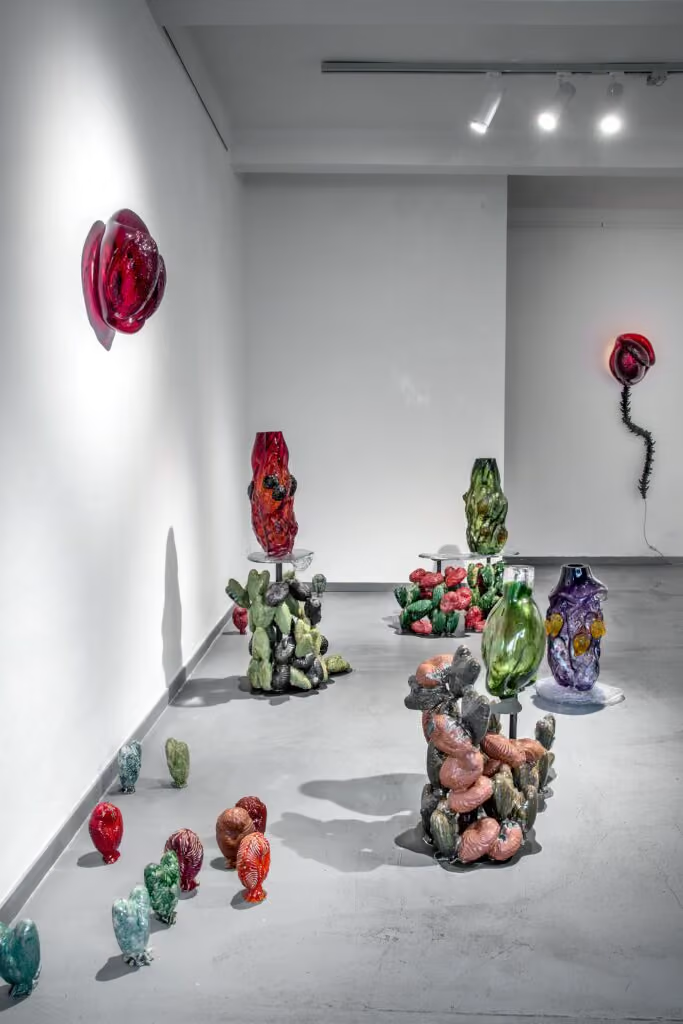
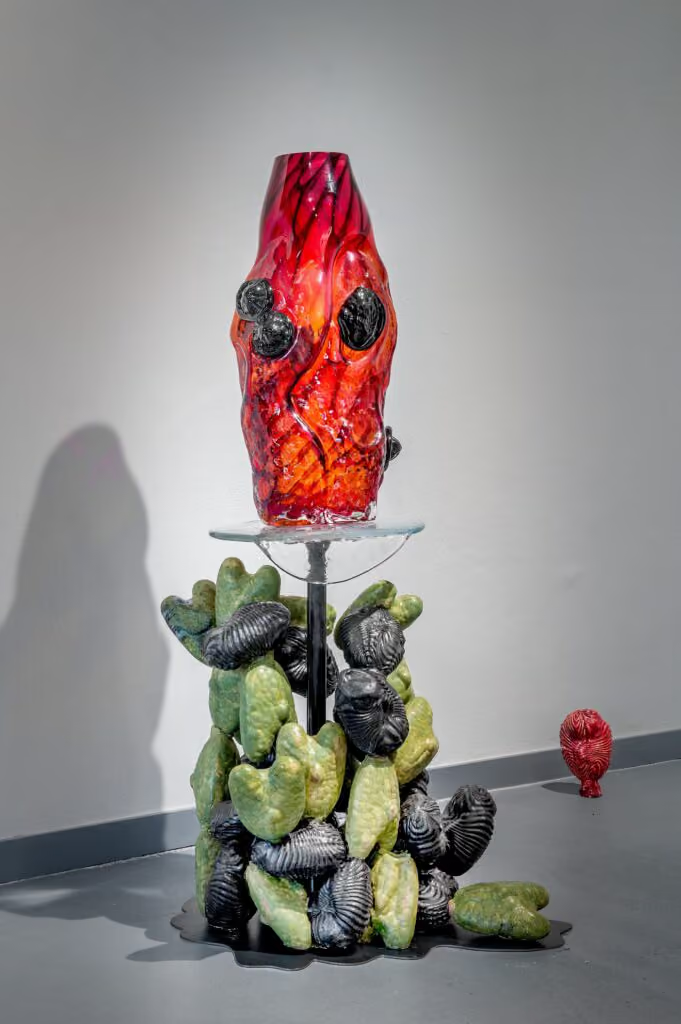
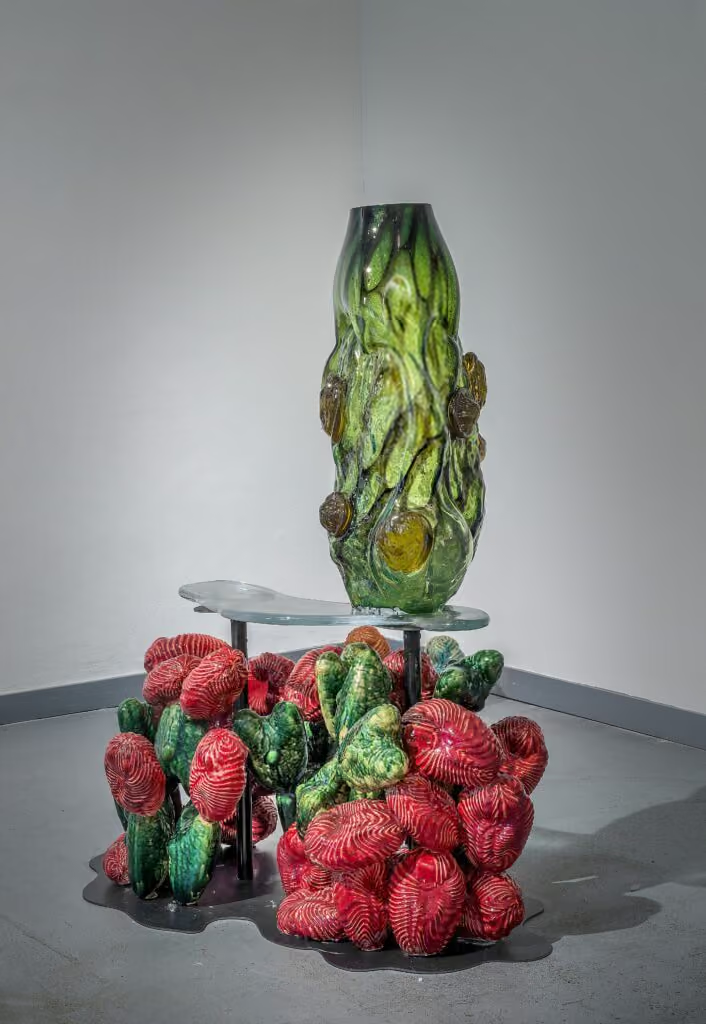
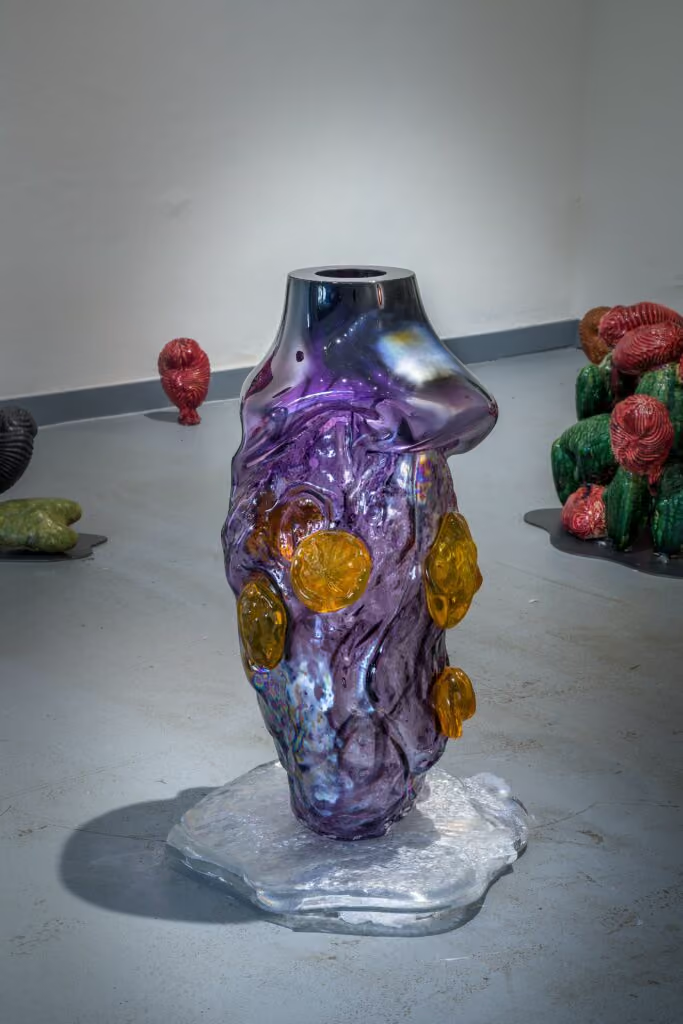
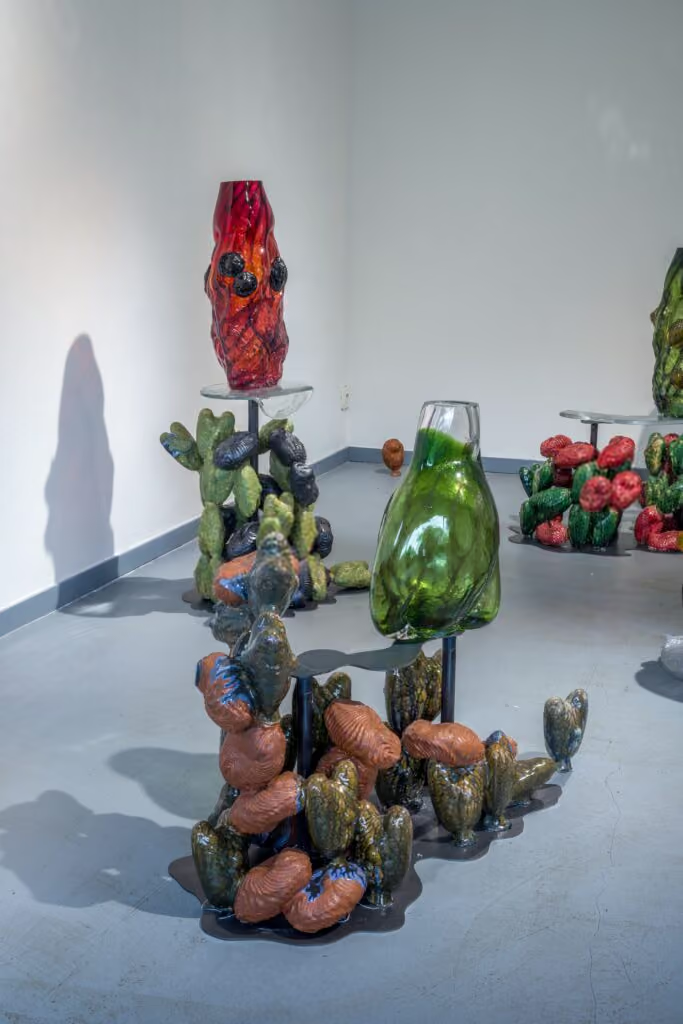
Jožová’s works, as currently displayed at Galerie Kuzebauch, form part of a new, work-in-progress series. Titled “Dysplasio” the artworks underscore a new thematic exploration for Jožová, namely disruptions to growth processes, deviations from the norm, and developmental changes. Despite humans having a natural subjective prejudice towards determining whether biological processes are beneficial or not, Anna Jožová views all such processes as inherently beneficial – with anomalies, too, serving as necessary events for our ecosystem to maintain its sense of harmony. These mutations can in fact serve as new evolutionary markers, serving as responses to environmental changes. The shapes of the respective displayed art objects serve to reflect the host-parasite relationship, with surface work always crafted in two different ways, with one surface always deliberately dominant. As an example, the smoothness of a glass surface suddenly meets an area of strong relief featuring the impressions of sea organisms. Or in another example of thin vases, the form creates the impression of the host being attacked by some kind unknown oval-shaped parasitic beings. Nor do we know whether such beings form a symbiotic relationship with their host organism, or whether they represent a deadly threat. The viewer is free to speculate – precisely what the author seeks – with hints of the real truth provided by subtle colour changes or a degradation of the glass material. But we can never be sure we have the right answer.
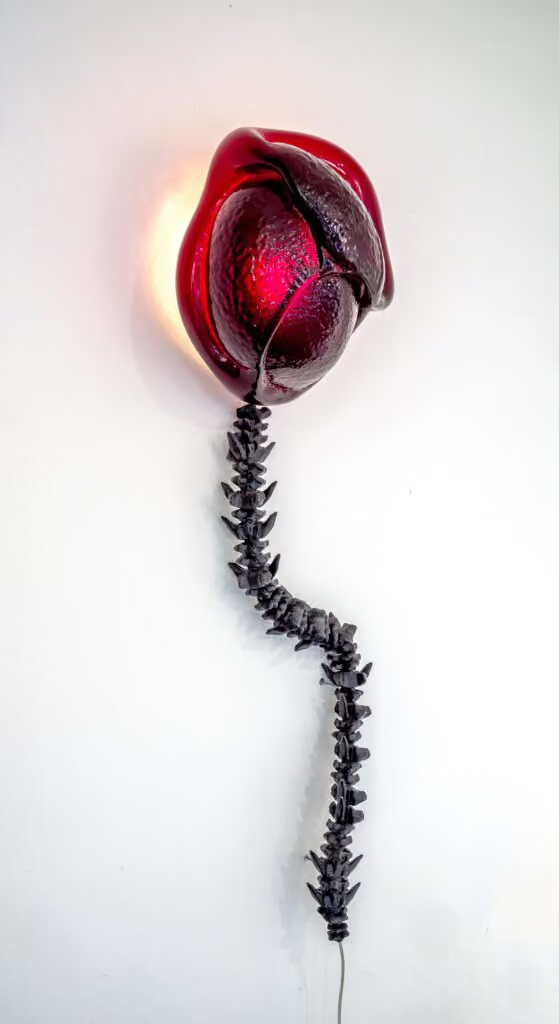
Even in the case of illuminated art objects, we evidence the same relationships between two organisms. For archive purposes, and harking back to a previous body of work titled “Resurectio a Erebo” (2023), Anna Jožová photographed her works in a real-world natural setting. One red-coloured art object that exudes light served as a symbol of new life within both these series. Such life grows from a fragment of a dead and destroyed civilisation, or a burned-out root, or of animal bodily remains. These series by Anna Jožová focused on extinctions of species or entire ecosystems. Now, in her latest body of work, the artist has turned her attentions to the concept of a new beginning. Light sends out a signal, communicating with its surroundings. The natural world is reawakening, with life restarting, albeit in a new form. The stands on which the light objects are mounted utilise the morphology of the abstract armour plating of seashells and other such life-forms. The aforementioned “Resurectio a Erebo” series already showcased the artist’s work with similar forms, engaging in clever layering so as to end up, for example, with a light porcelain object that invoked the calcified shells of sea creatures, and was reminiscent of coral reefs, or the surfaces of beachside rock cliffs. The development of such artistic trends was also evident in her “Kairo” series (2022), which featured wall-mounted works reminiscent of fossilised eggs, shells, or the body parts of prehistoric creatures. Here, too, themes exploring the passage of time and inevitability of mortality were evidenced.
Anna Jožová’s works have also long reflected the natural processes associated with global climate change, thus helping to highlight a subject which a large number of people still regard as either irrelevant, unreal or not their own concern. Despite the lofty subject, Jožová has avoided negativity in the resulting works. Rather, the artist merely follows the resulting phenomena with an almost scientific distance, without adding criticism of specific phenomena or their root causes. In addition, Jožová shines a crucial light on how the consequences of the fate of one lifeform or process have a knock-on effect on the wider ecosystem and its future operations. It is a sense of almost clinical detachment, as if observing the Earth from a far distant and safer planet, cataloguing this planet’s changes with both great curiosity and interest as to what happens next. No beginning without an end; and no end without a beginning – the cycle always brings something new. Through her exploration and pondering of such lofty themes, Anna Jožová brings us a positive message: that everything which seemingly could be interpreted as “bad” can in fact be seen from a different perspective as “good” and beneficial, and entirely necessary and crucial to the further development of life (in both the broadest and narrowest senses of the word). Such artistic reflections offer observers of each resulting art object the chance to take a kind of bird’s eye view of some highly complex issues – and in so doing, to find both understanding and enrichment.


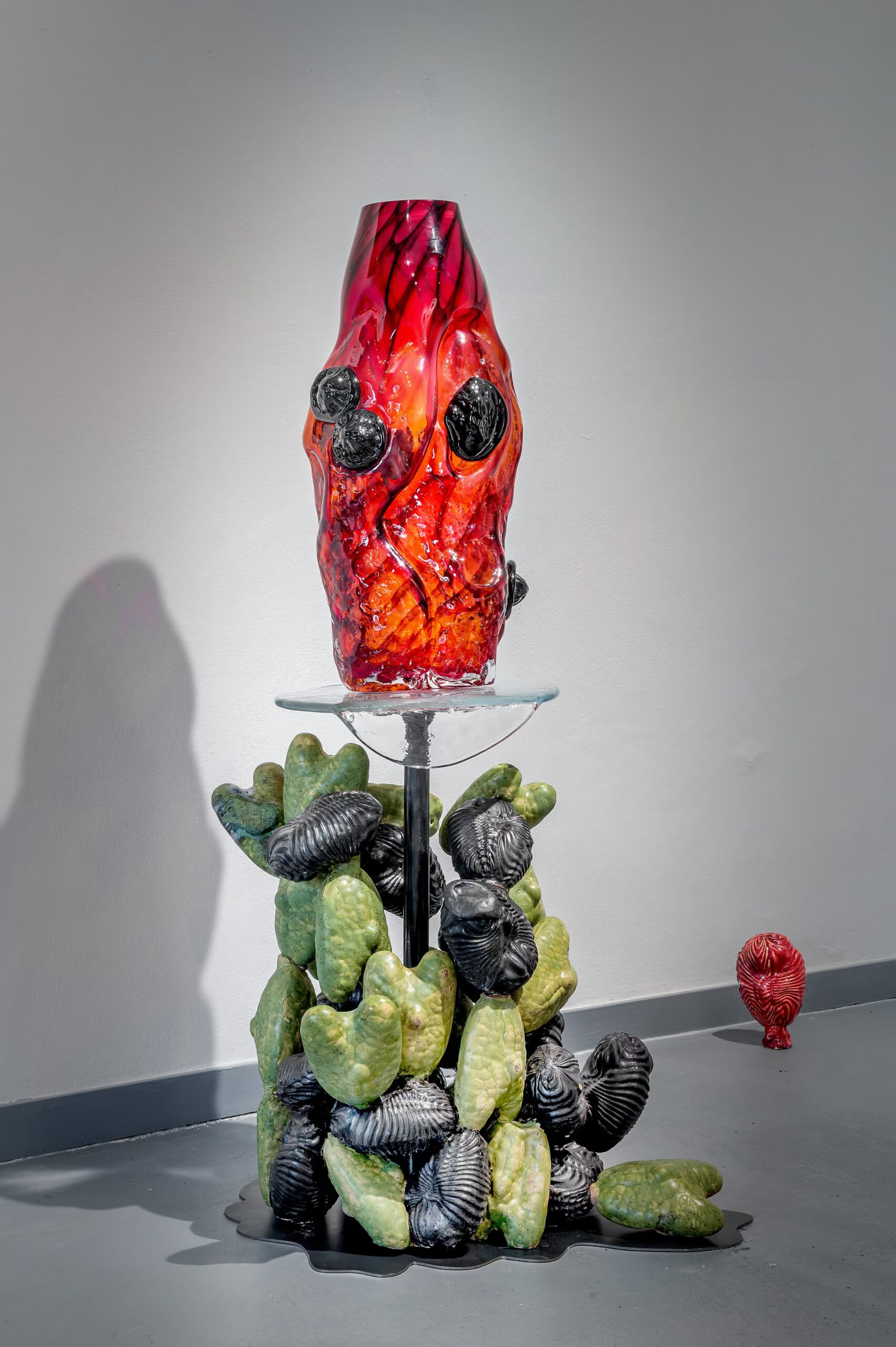


I v případě světelných objektů jde o tematizaci vztahu dvou organismů. Anna Jožová je nechala pro svůj archiv fotografovat instalované v přírodě a navázala tak na série Resurectio a Erebo z roku 2023. Rudý objekt, ze kterého vychází světlo, byl v těchto sériích symbolem nového života, který vyrůstá z fragmentů již neživé či zničené civilizace, ohořelého kmene nebo pozůstatků těl živočichů. Zatímco ve zmíněných sériích Anna upozorňovala na skutečnost vymírání druhů a celých ekosystémů, nyní obrací svou pozornost právě k onomu novému začátku. Světlo k nám vysílá zprávu, komunikuje se svým okolím. Příroda se opět probouzí a život začíná v jiné podobě. Podstavce, na kterých světelné objekty stojí, využívají tvarosloví abstrahovaných krunýřů či schránek mořských živočichů a přírodnin. Ve zmíněné sérii Erebo již s podobnými tvary pracovala a vrstvila je přes sebe, aby vznikl světlý porcelánový objekt odkazující ke zvápenatělým schránkám mořských živočichů, připomínající korálové útesy či povrch pobřežních skal. Jejich vývoj bychom mohli sledovat i v sérii Kairo (2022), kdy vznikaly nástěnné objekty svým tvarem blízké zkamenělým vejcím, krunýřům nebo částem těla jakéhosi prehistorického tvora. Opět zde tematizovala plynutí času a nemožnost vymanit se z konečnosti života.
Autorka se dlouhodobě vztahuje k přírodním procesům souvisejícím s globálním oteplováním a změnou klimatu se všemi důsledky, které se stále velká část obyvatelstva naší planety snaží nevidět a nepřijímá za ně odpovědnost. A přestože by k těmto tématům mohla přistupovat s menší či větší dávkou negativity, není tomu tak. Anna zkoumané procesy sleduje jakoby zpovzdálí a nekritizuje ani je, ani okolnosti jejich vzniku, nýbrž zkoumá, jak se důsledky jednání jednoho druhu otisknou do okolního ekosystému a jeho budoucnosti. Jako by se na tento vývoj dívala z pomyslného nadhledu vědce, který pozoruje Zemi z jiné, bezpečnější a velmi vzdálené planety a který změny, jež se zde odehrávají, sleduje s ohromným zájmem a zvědavostí, co bude dál. Není začátku bez konce a konce bez počátku, vždy přijde něco nového. A tak k nám skrze své bádání a uvažování nad převážně závažnými tématy Anna Jožová vysílá pozitivní poselství, že vše, co může působit jako zlé, může být nahlíženo z jiného úhlu pohledu jako dobré a pro další vývoj života (v tom nejužším i nejširším smyslu slova) jako potřebné či dokonce nezbytné. Tento nadhled dává možnost každému vnímateli jejích objektů, aby na téma nahlédl z takové vzdálenosti i úhlu pohledu, aby pro něj konkrétně byla tato díla obohacující.
Kurátoři výstavy: Ján Gajdušek, Tereza Havlovicová