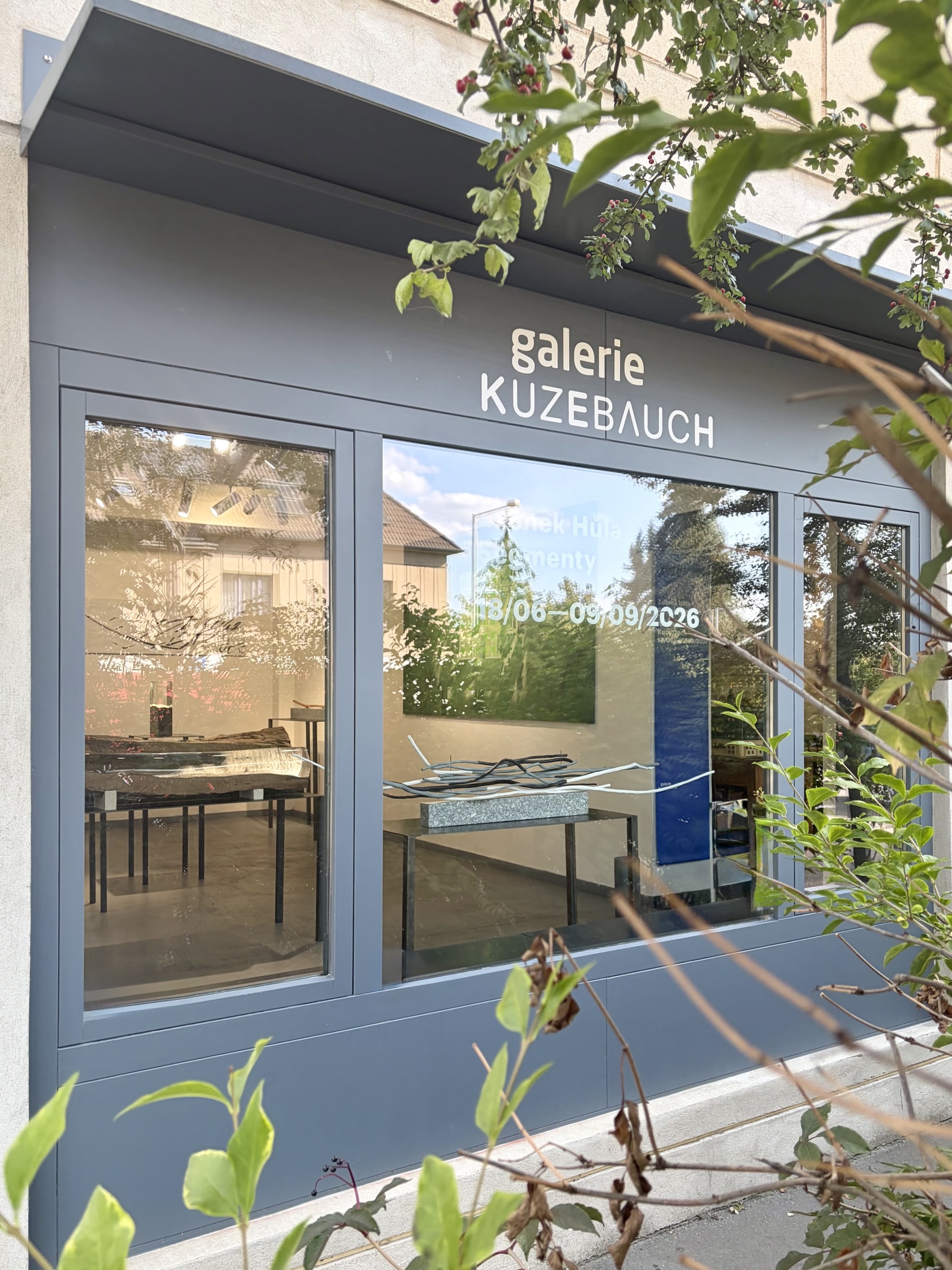
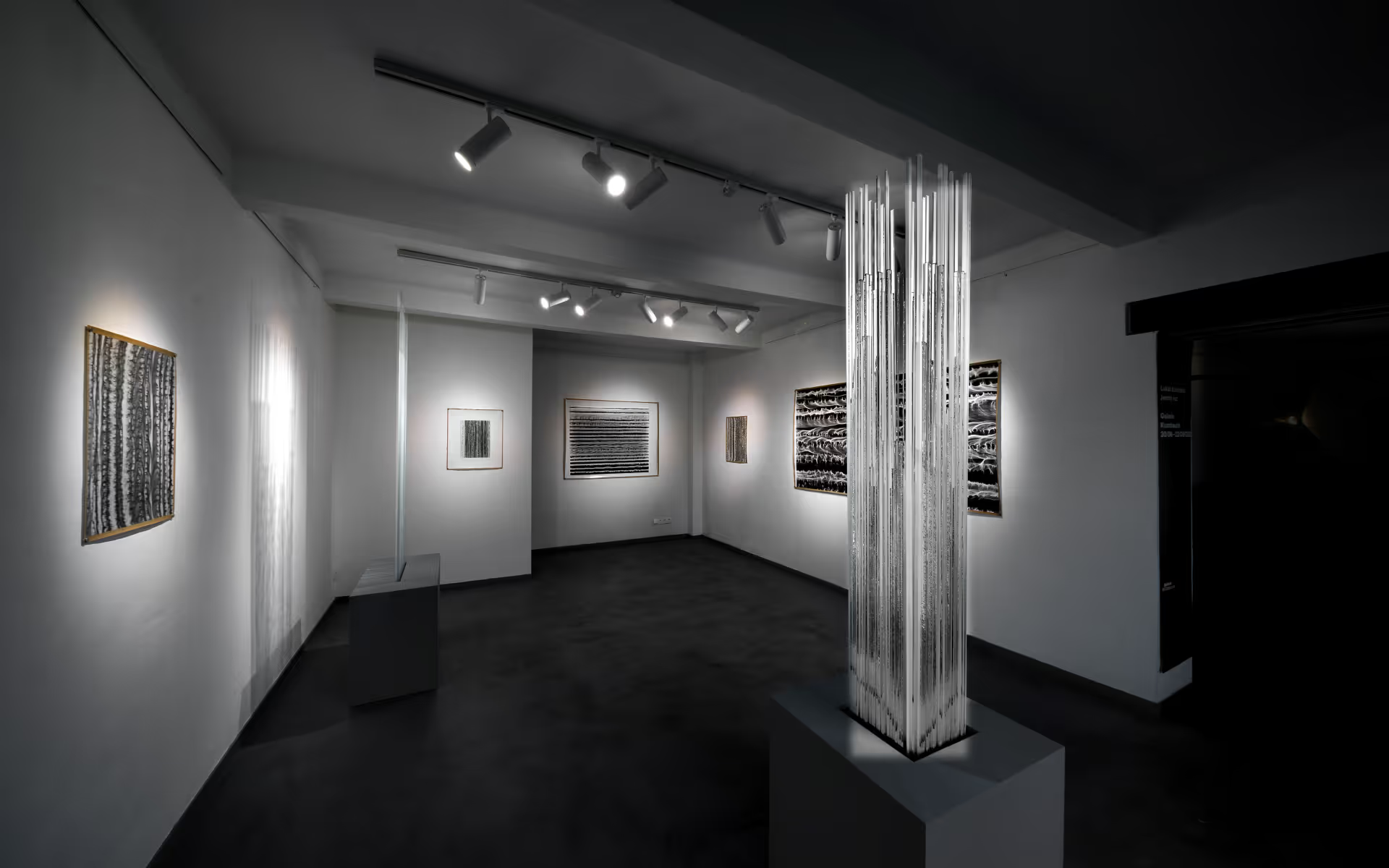
In recent years, glass designer Jakub Berdych (born 1953) has predominantly focused on free-form glass art experimentation. Asides from partaking in regular symposiums, his works have been exhibited – both solo and as part of multi-artist exhibits – at home and abroad. Recycling in contemporary art Years ago, Jakub Berdych asked himself the question: “What will remain of us?”. This led to the creation of a series of glass sculptures as part of the “Otisky” (Imprint) series. Former day-to-day utilitarian items, ones hardly expected to be encountered in the world of glass art – Lopatka (Spade), Dalekohled (Telescope), Sporák (Stove) – were followed by others, such as Objekty (Items), which demonstrate a further step towards abstract interpretation by the artist. This is evident in both wrappings and boxes of consumer goods, which tend to be assigned a utilitarian and entirely disposable function. By changing the context, and by recording and contrasting such banality in a noble material like glass, Berdych creates new perceptions. The works are surprising, peculiar, and offer high aesthetic value as sculpted works – with the latest examples on display at Galerie Kuzebauch.
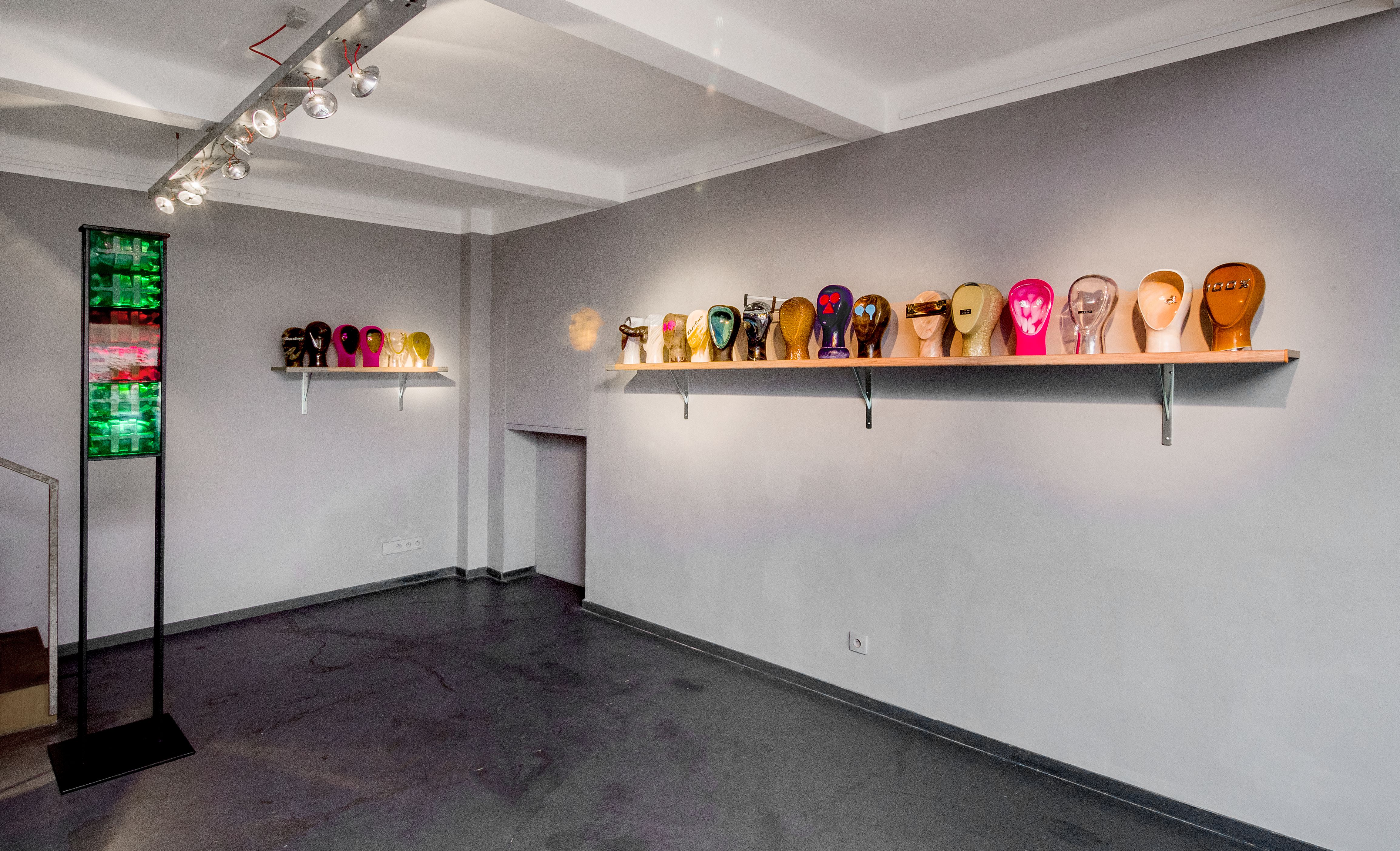
As a glass designer Jakub Berdych, Sr. focuses on the subject of contemporary society from the point of view of the aesthetics of packaging/waste. Meanwhile, his son, Jakub Berdych Karpelis (born 1971), tackles more substantive issues. Perhaps this is the result of having grown up in a free-thinking environment, which served as the perfect incubator for artistic expression. Berdych, Jr., has been developing such talents since the 1990s, when he first entered the artistic scene. Shortly thereafter, he co-founded the Qubus design studio. Today, Jakub Berdych Karpelis is among the most renowned figures in contemporary Czech design, having also built up a reputation on the international scene. With both his pre-designed and free-form works, Berdych, Jr. displays a strong independent streak, frequently crossing the boundaries of media, technology and material, finding fresh mutual interconnections along the way. Berdych, Jr. enjoys actively developing new, or reviving long-forgotten glass art techniques. Some of these can be viewed as “redesigns” with a characteristic humorous point. Ideas are balanced on the precipice of taste, kitsch, tacky aesthetics and luxury; also in the author’s sights are social conventions and taboos, as well as mining his own life story. Berdych, Jr. is able to use a detached sense of irony to also turn his fire inwards towards the world of art and design. As part of the latest Narcissus collection, Jakub Berdych Karpelis showcases his latest creative flourishes via a series of head-like figures that reflect the characteristics of our modern social deviances. Through a masterly utilisation and modification of the technical capabilities inherent in glass, Berdych, Jr. is able to gain inspiration from the likes of long-forgotten lithyaline opaque glass techniques, featuring a semi-precious stone effect, along with the development of his own custom technology, titled qubalín. Moreover, the artist has also developed a special custom technique for adapting crystal and marble via so-called flocking. Another notable aspect is the artist’s work with gold, or his placing of discovered items – reflecting contemporary civilisation – into works.
Silly season (in Czech: Okurková sezona, literally cucumber season; and in German: Sommerloch, literally summer hole or Sauregurkenzeit – i.e. gherkin time). In Germany, such an expression appeared in response to the Yiddish expression córes-jókres-cajt (time of heartache and atonement). In Czech, “cucumber season” was used in the press during the second half of the 19th century, ultimately symbolising the summer season when a lull is often evident in news. Simona Martínková Exhibition curator


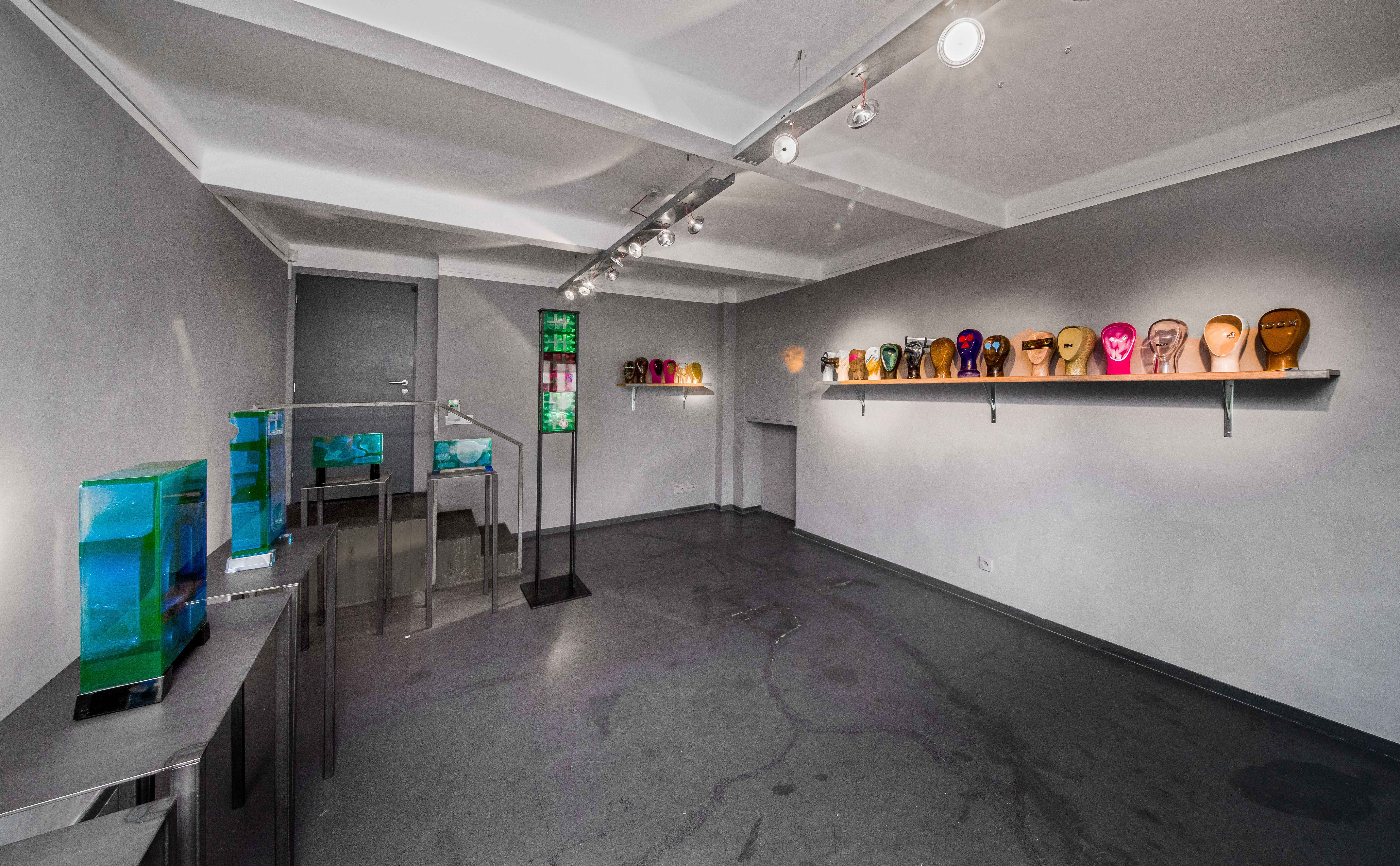


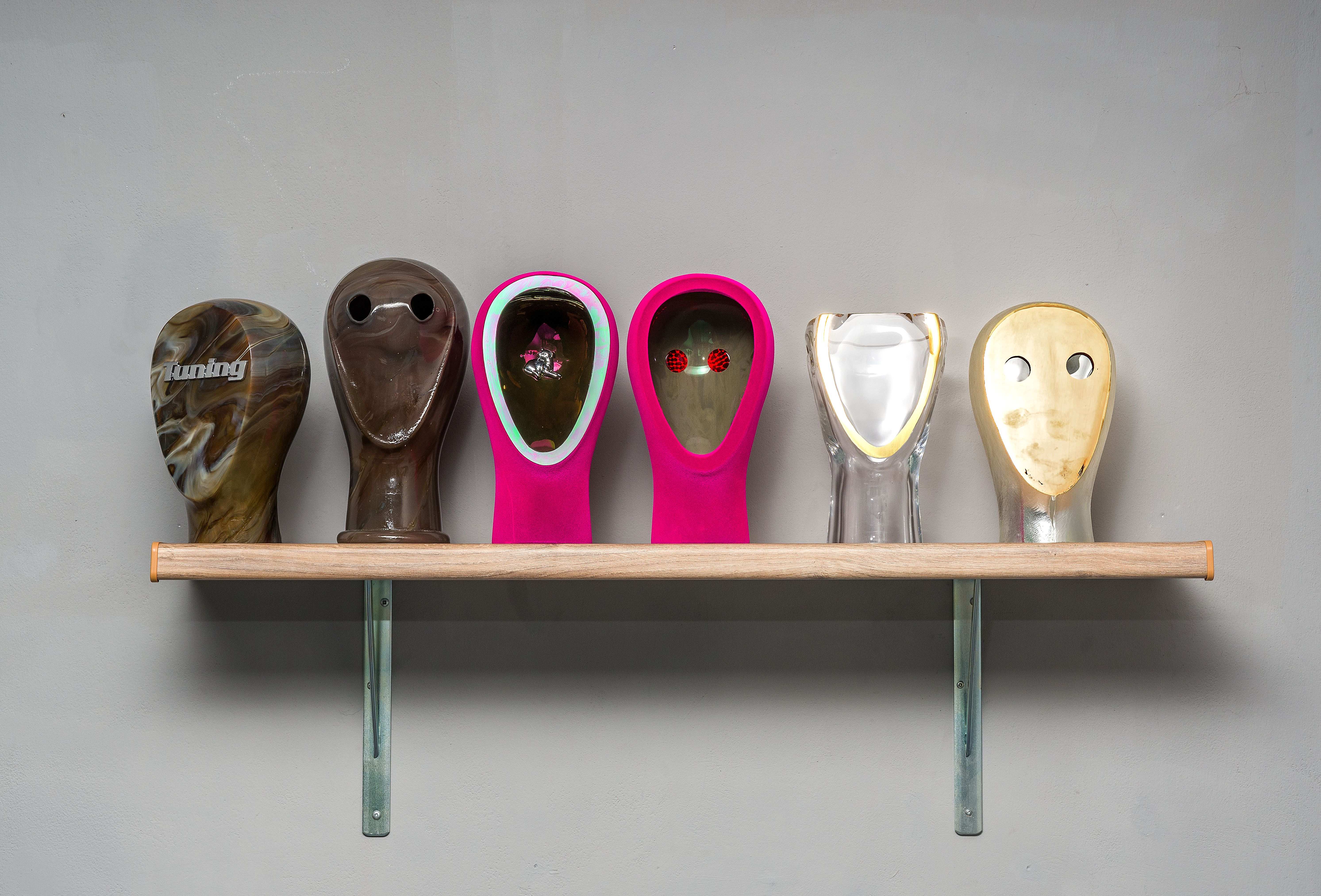
Zatímco se Jakub Berdych otec jako sklářský designér zabývá tematikou současné společnosti z pohledu estetiky obalů/odpadů, objevují se v dílech syna, Jakuba Berdycha Karpelise (*1971), otázky bytostnější povahy. Snad je to tím, že jej od počátku formovalo svobodomyslné prostředí a se samozřejmostí ho i připravilo na vlastní tvorbu. Svůj talent pak rozvíjel hned od devadesátých let dvacátého století, kdy vstoupil na uměleckou scénu a krátce na to se stal spoluzakladatelem designového studia Qubus. Dnes patří Jakub Berdych Karpelis k oceňovaným osobnostem českého designu, a známý je i v mezinárodním kontextu. V navrhovaných edicích i ve volné tvorbě postupuje velice svobodně často až za hranice médií, technologií a materiálů, kde nachází nečekaná spojení. Rád pečlivě vyvíjí nové či objevuje zapomenuté postupy, a v tomto smyslu některé můžeme vnímat i jako redesign s charakteristickou vtipnou pointou. Náměty balancuje na hraně vkusu, kýče, laciné estetiky a luxusu – na mušku si bere společensky ne/přijatelné konvence i současný život sám. S nadhledem a ironií umí zamířit také do vlastních řad, do světa umění a designu. V představené nejnovější kolekci Narcissus vyúsťují Jakubovy dosavadní zkušenosti v mistrovsky provedené řadě hlav – obměňujících se charakterů našich novodobých deviací. Suverénním uchopením technických možností skla a jeho modifikací, inspiracemi jako například dnes již nepoužívaným lithyalinovým opakním sklem s efektem polodrahokamů, dochází k vývoji vlastní techniky – qubalínu, nebo ke speciální úpravě křišťálových a mramorových povrchů flokováním. Dalším aspektem může být práce se zlatem či zasazování nalezených předmětů jako atributů naší současné civilizace.
Okurková sezona (anglicky silly season – „hloupé období“, německy Sommerloch – „letní díra“ nebo Sauregurkenzeit – „čas kyselých okurek“) se v němčině objevil neporozuměním výrazu córes-jókres-cajt v jidiš, které doslova znamená „čas žalu a pokání“. V češtině výraz okurková saisona používal tisk již ve 2. polovině 19. století a vžil se pro označení letního období, kdy se děje minimum událostí, které by byly mediálně významné.