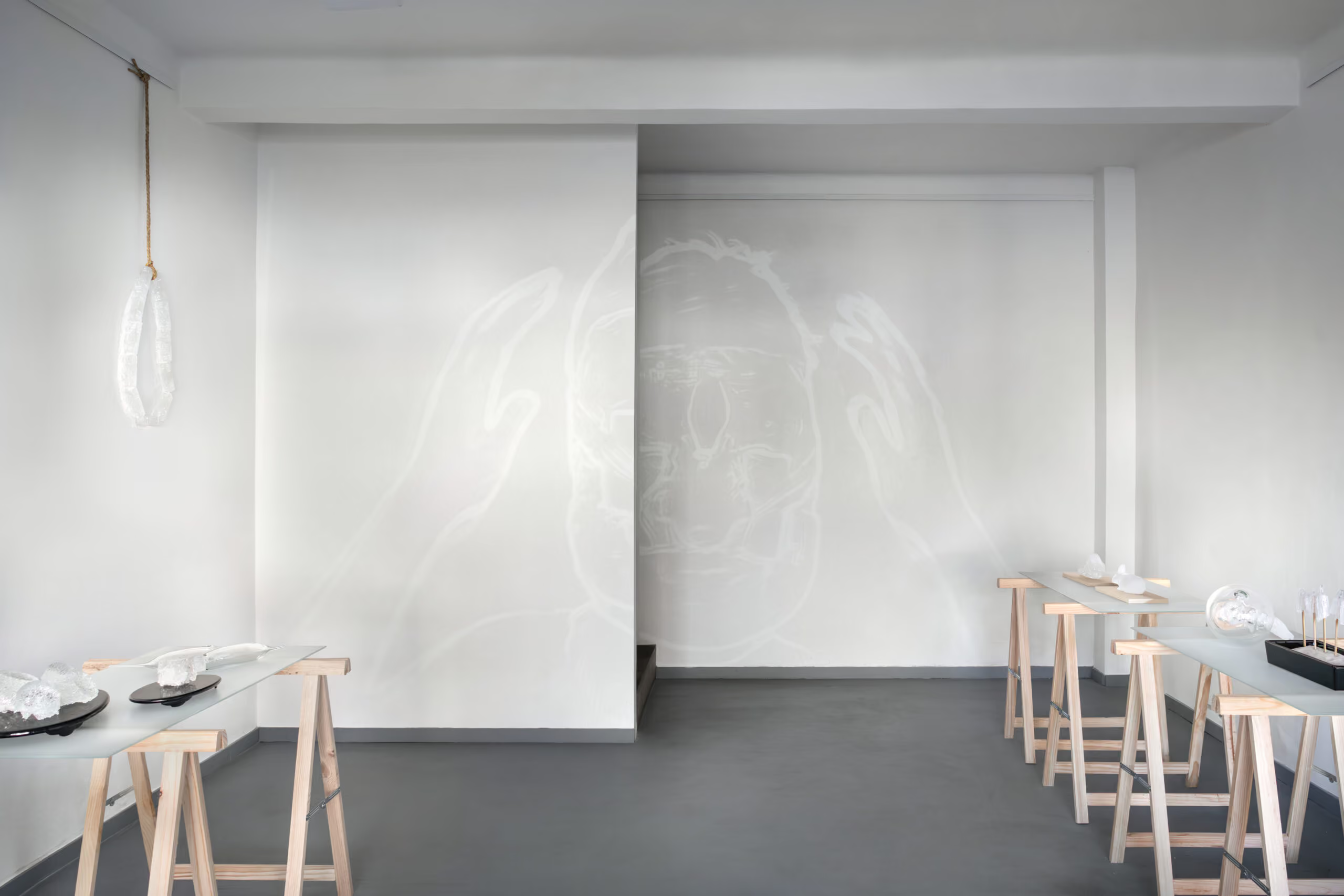
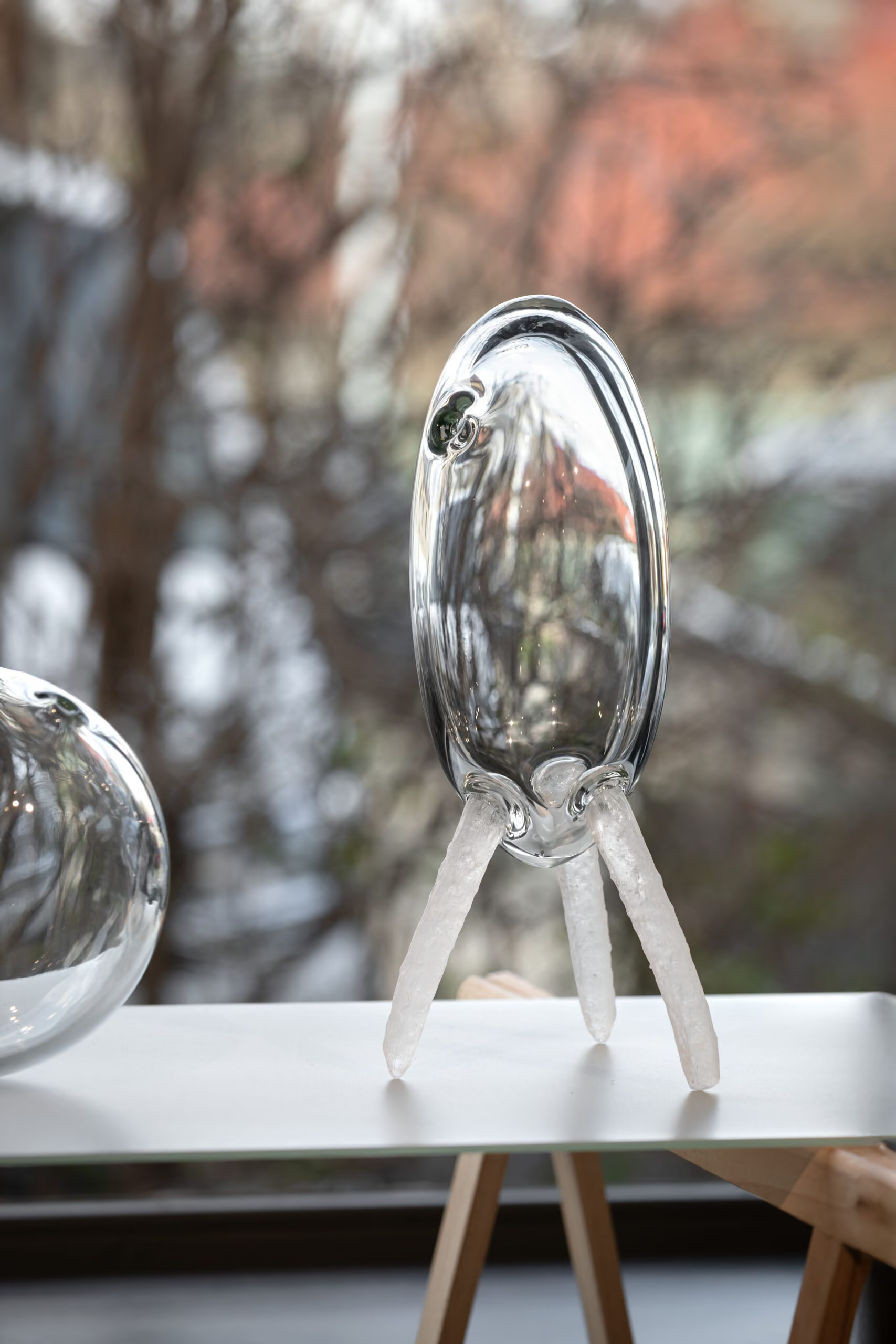
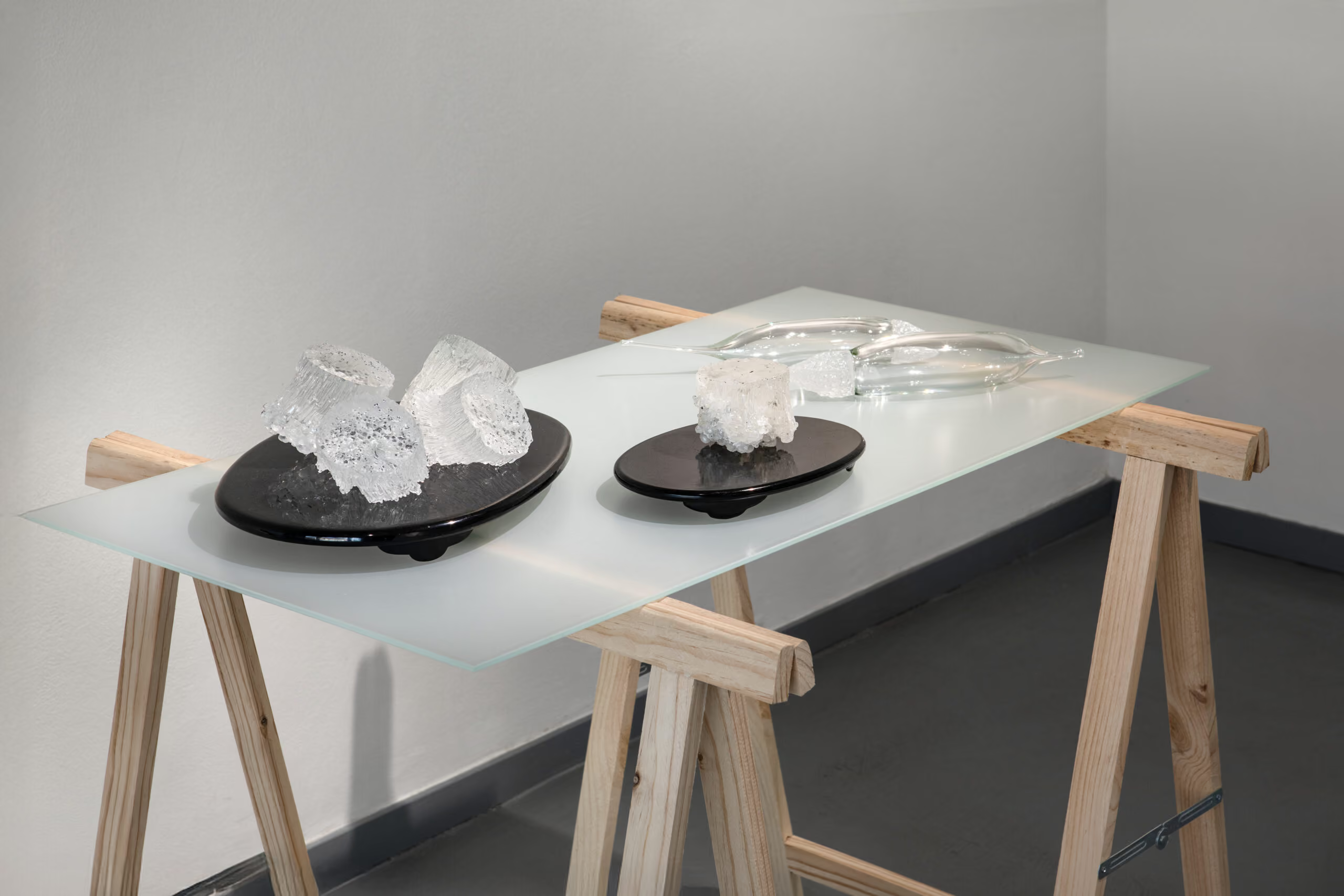
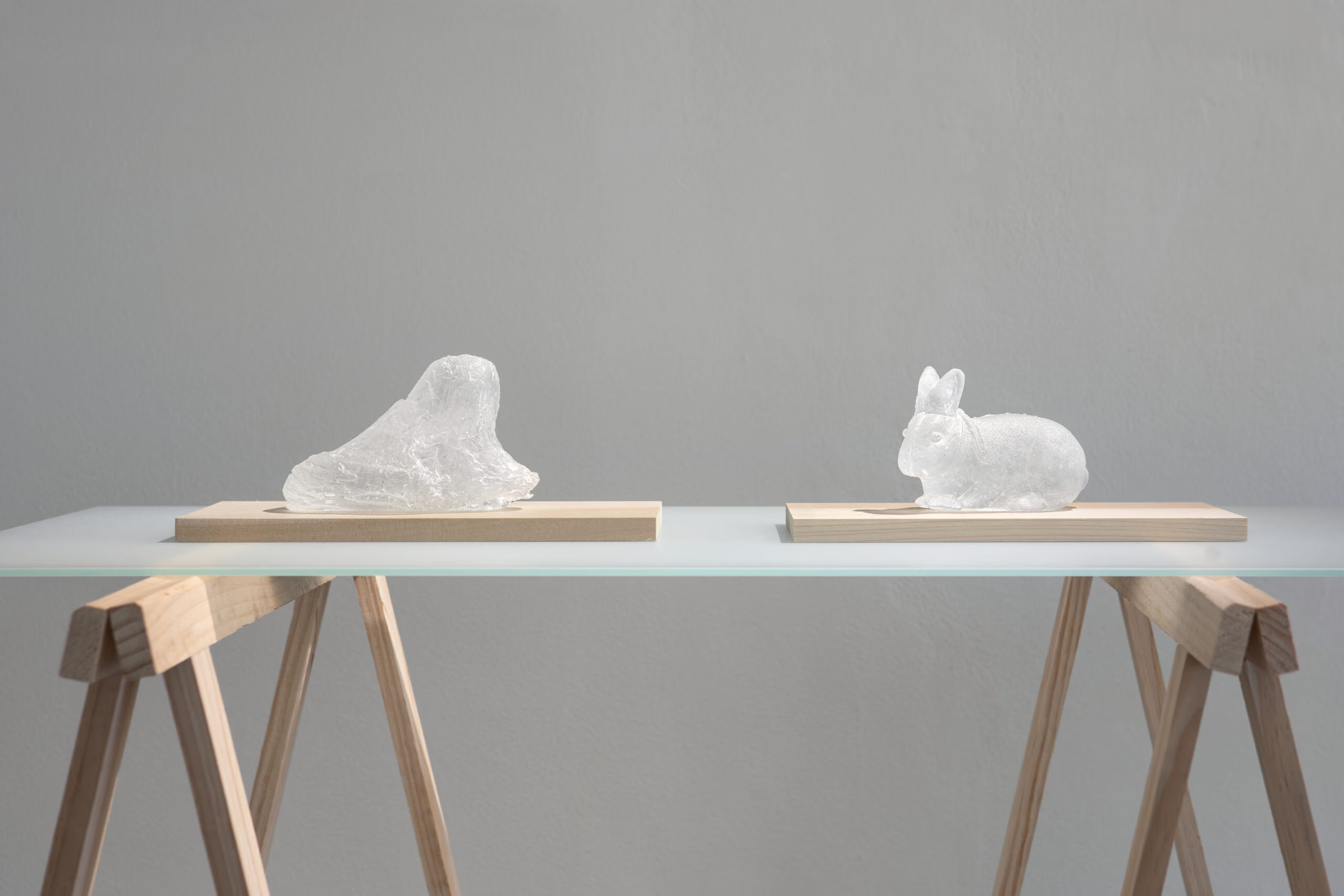
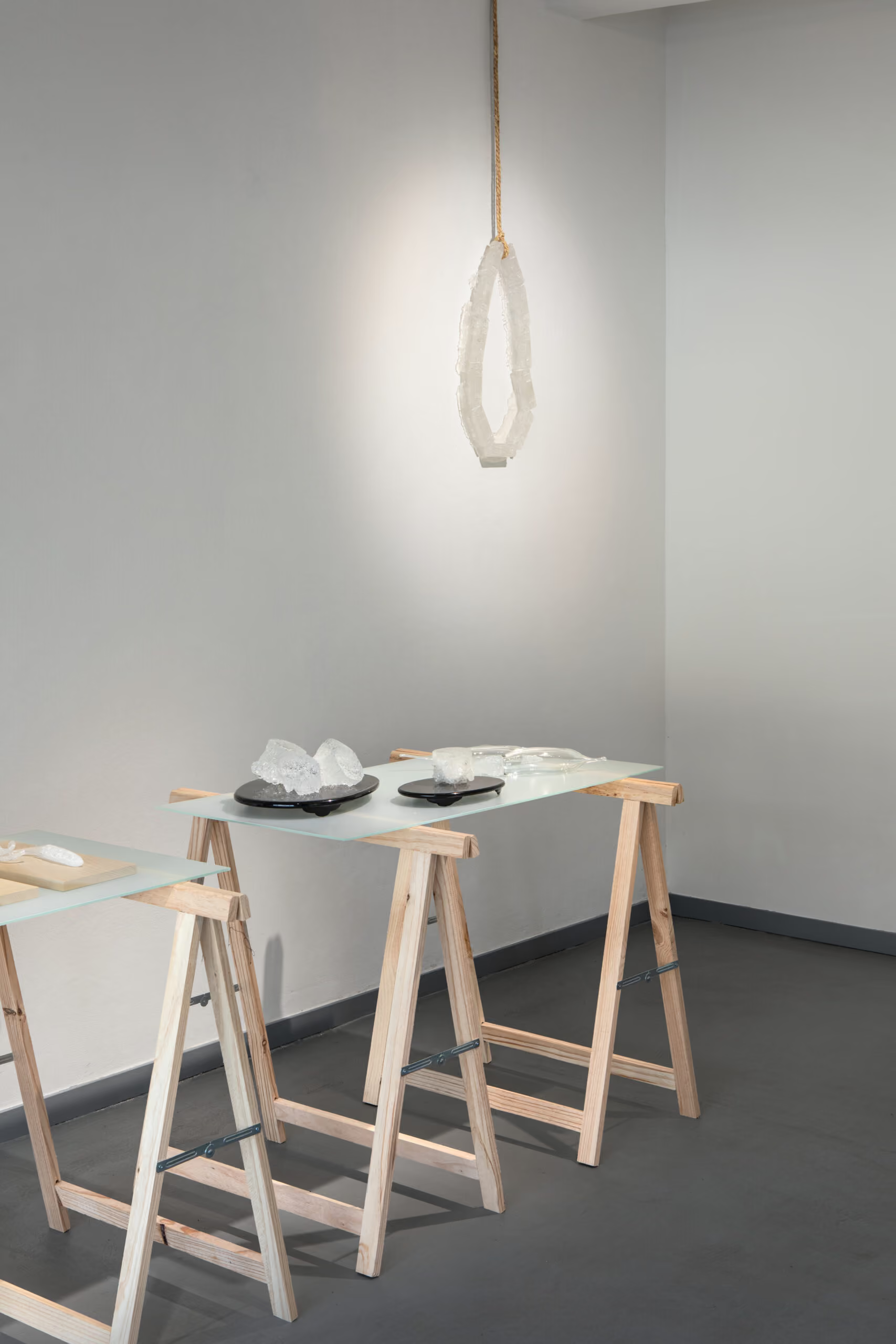
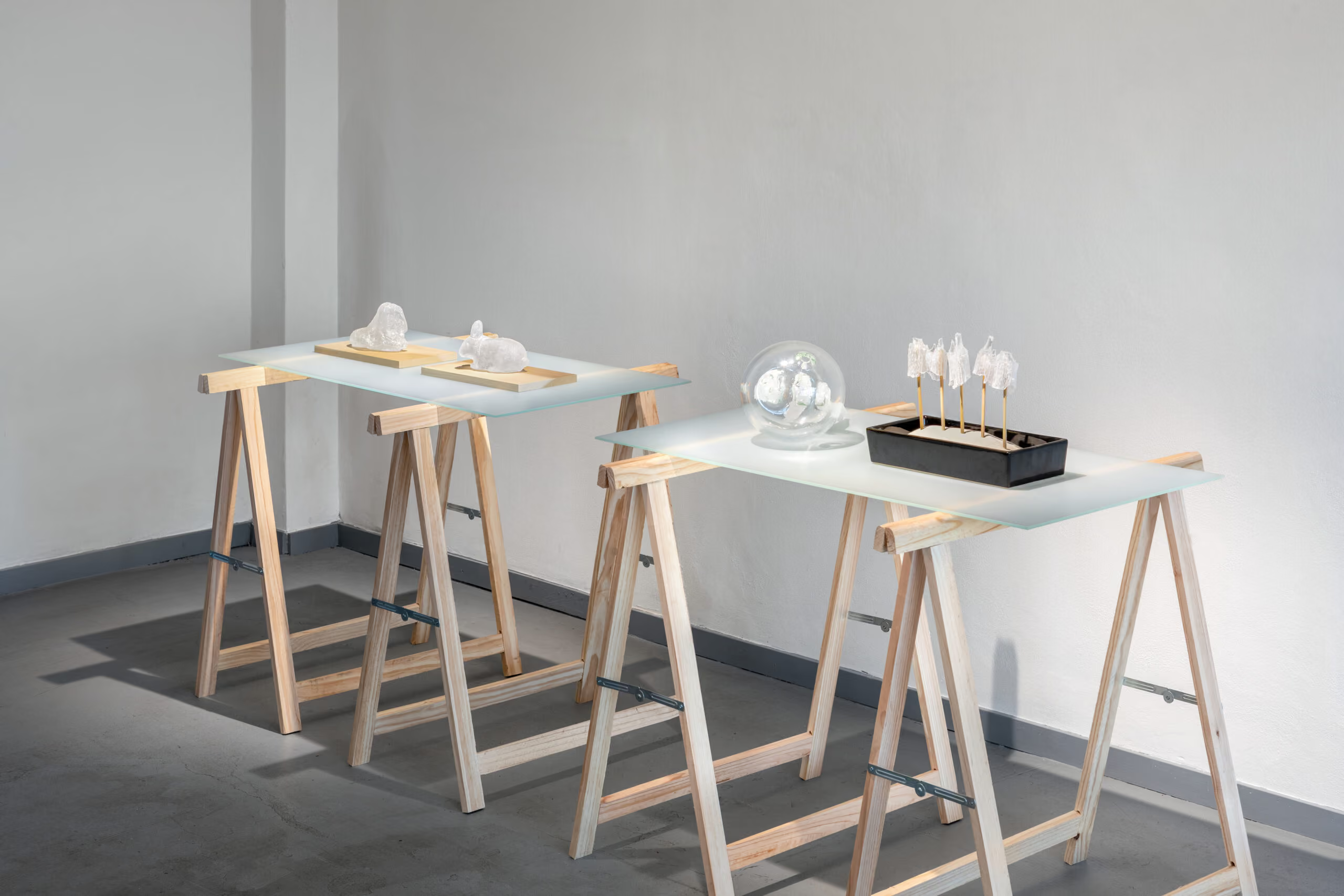
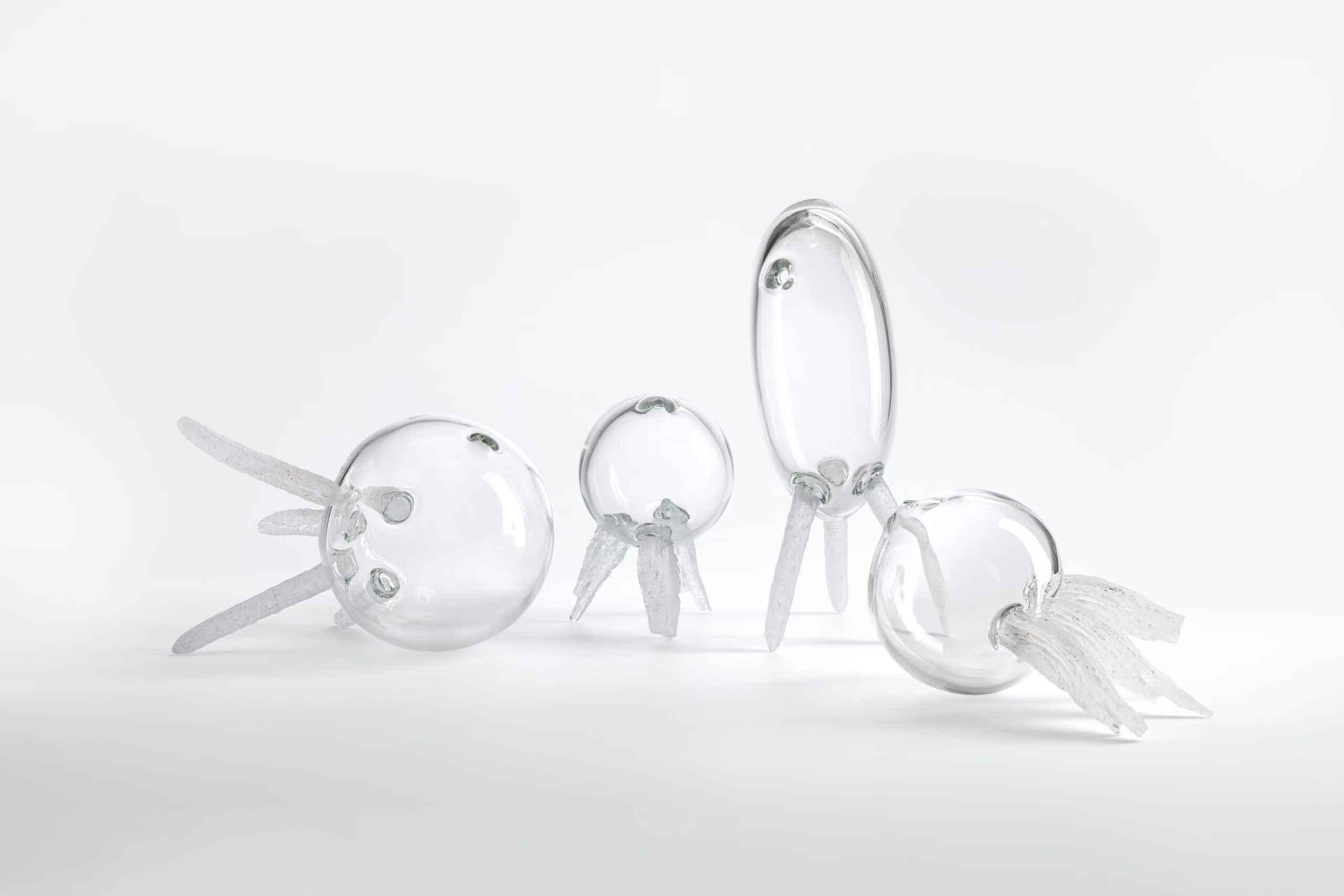
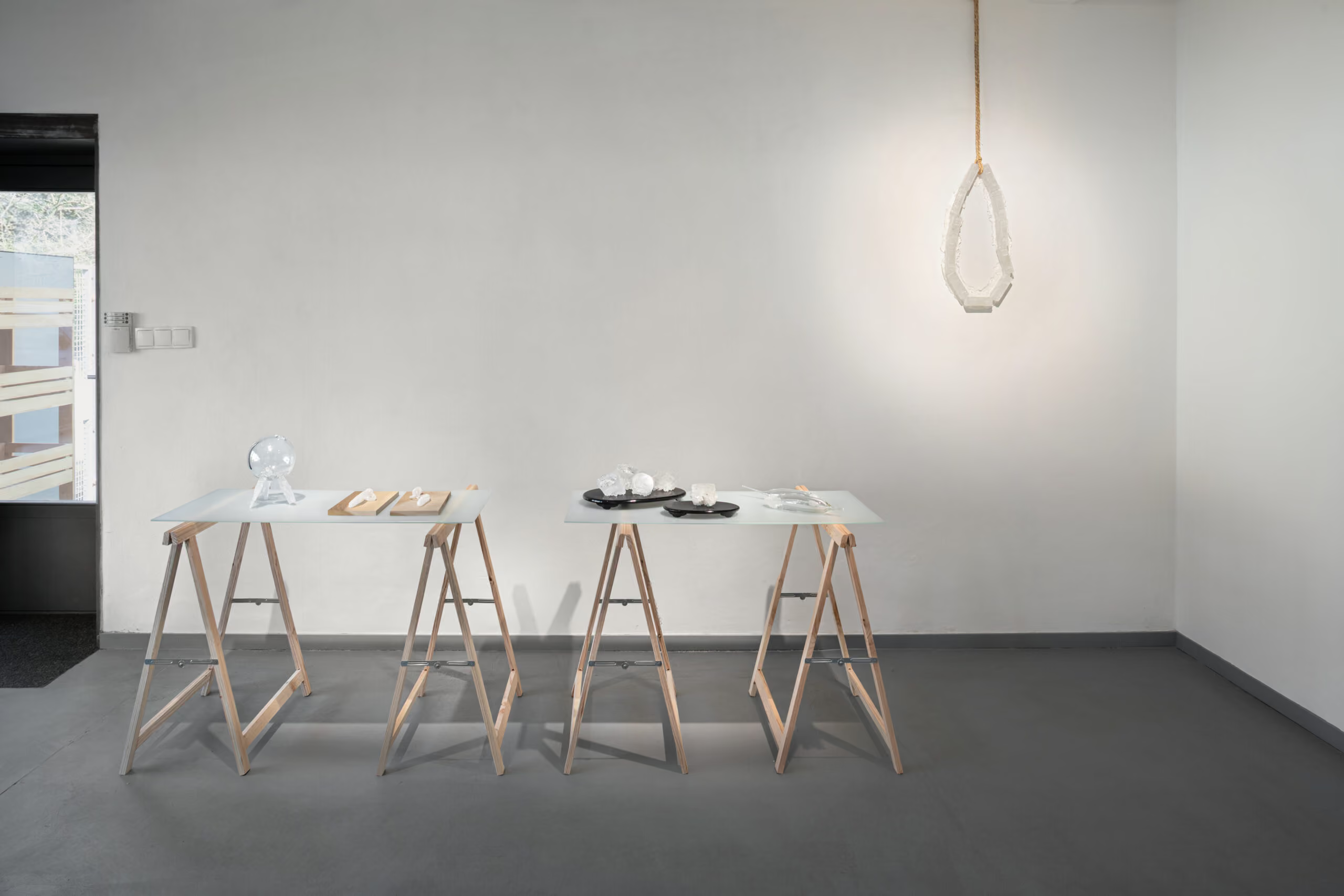
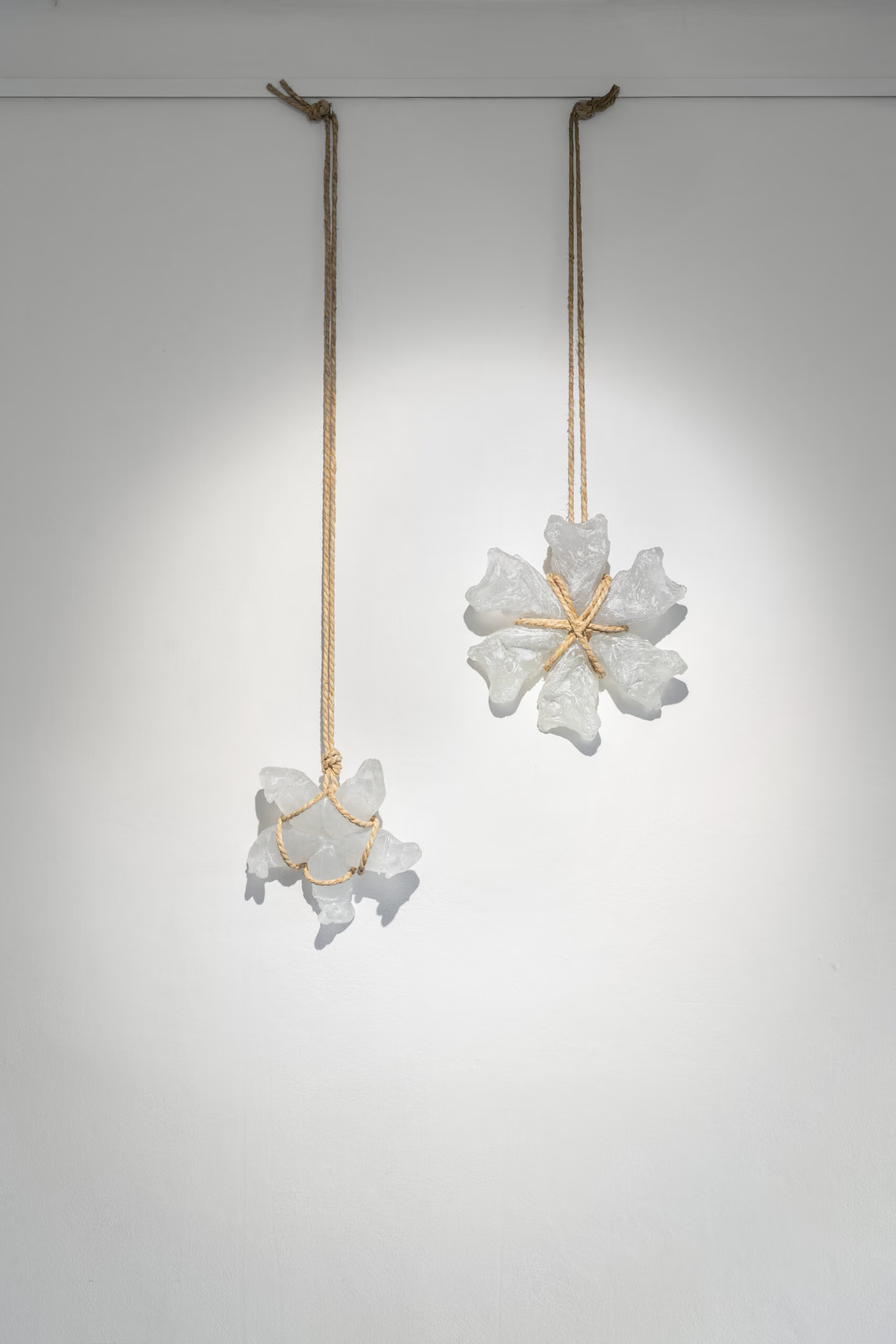
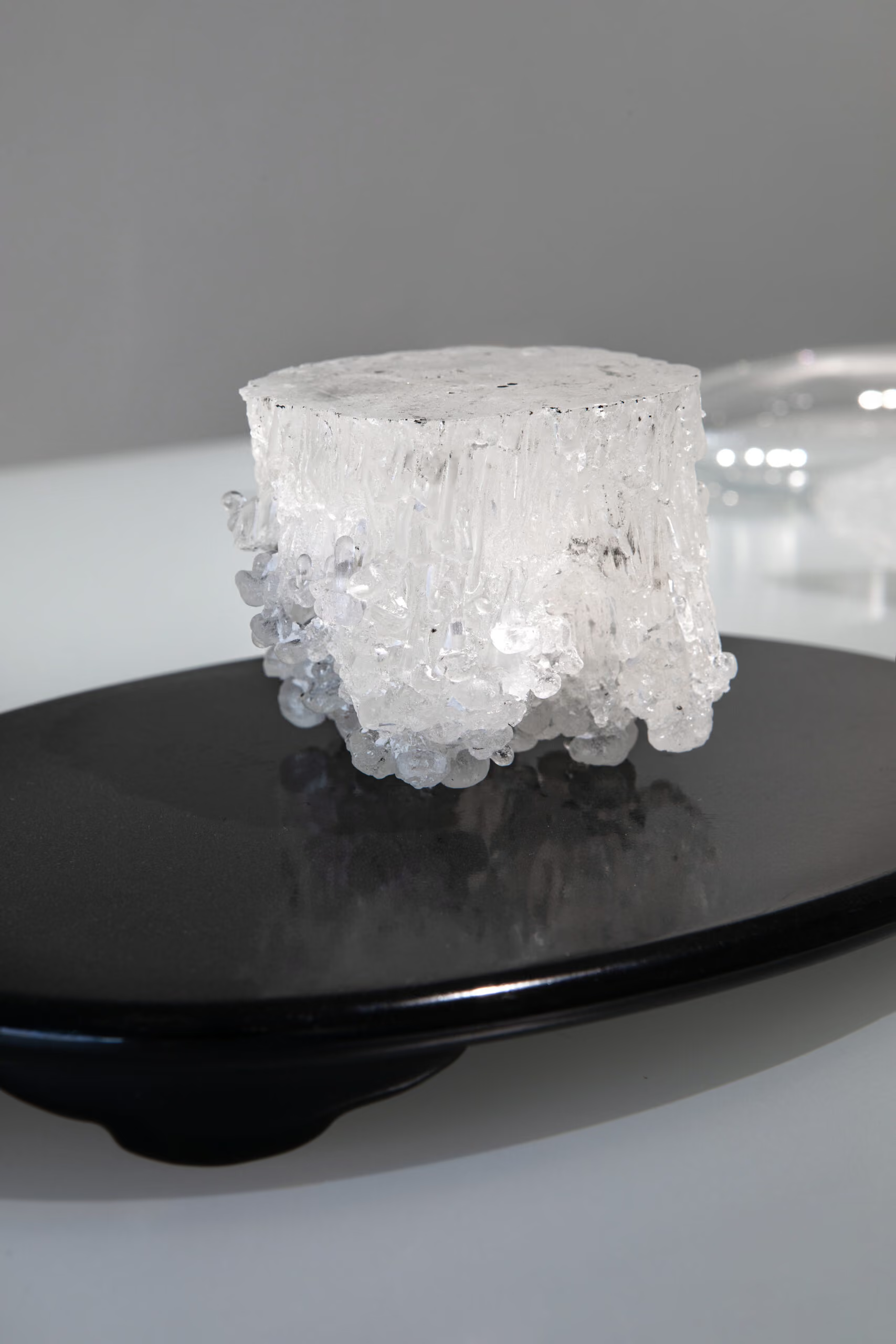
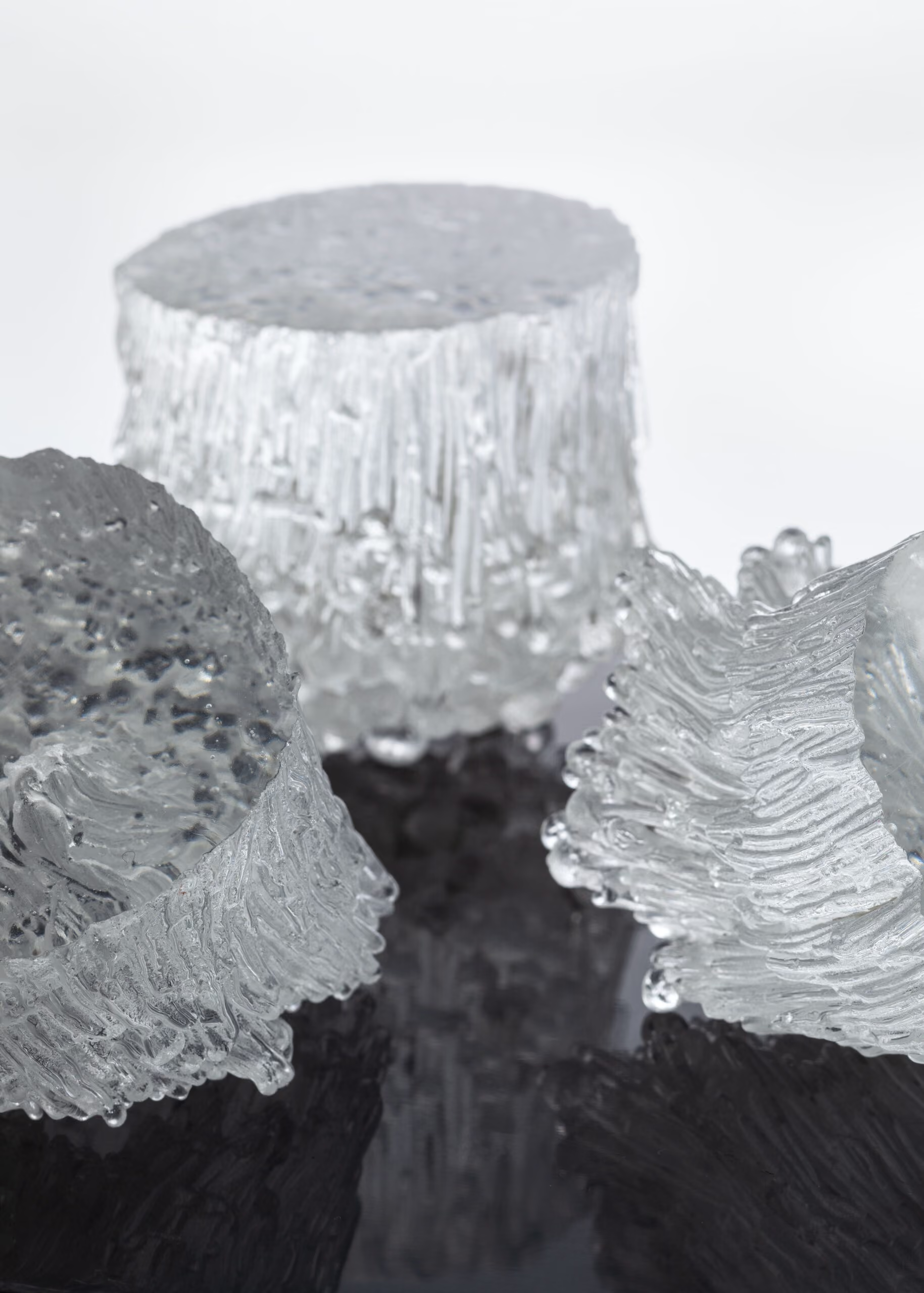
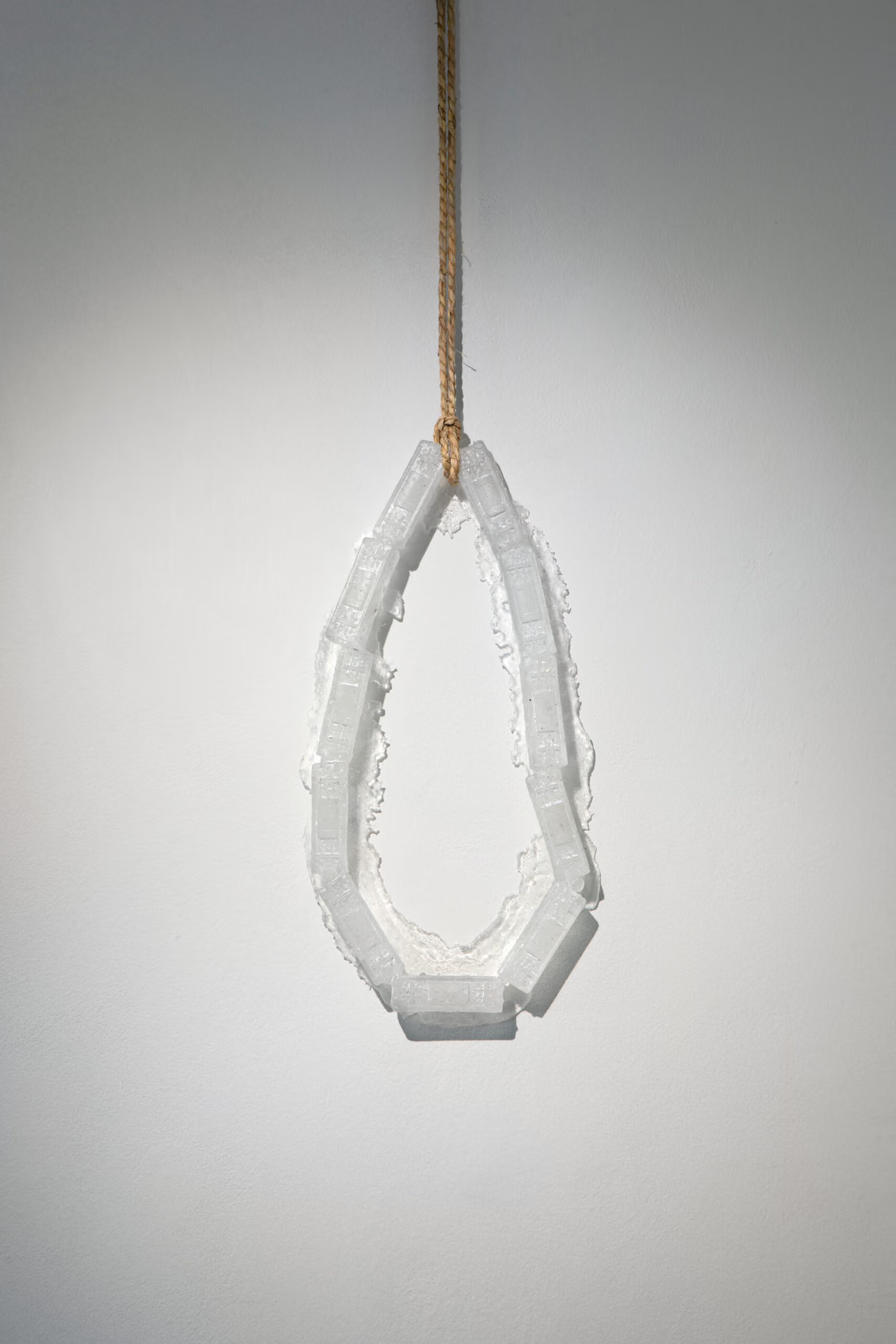
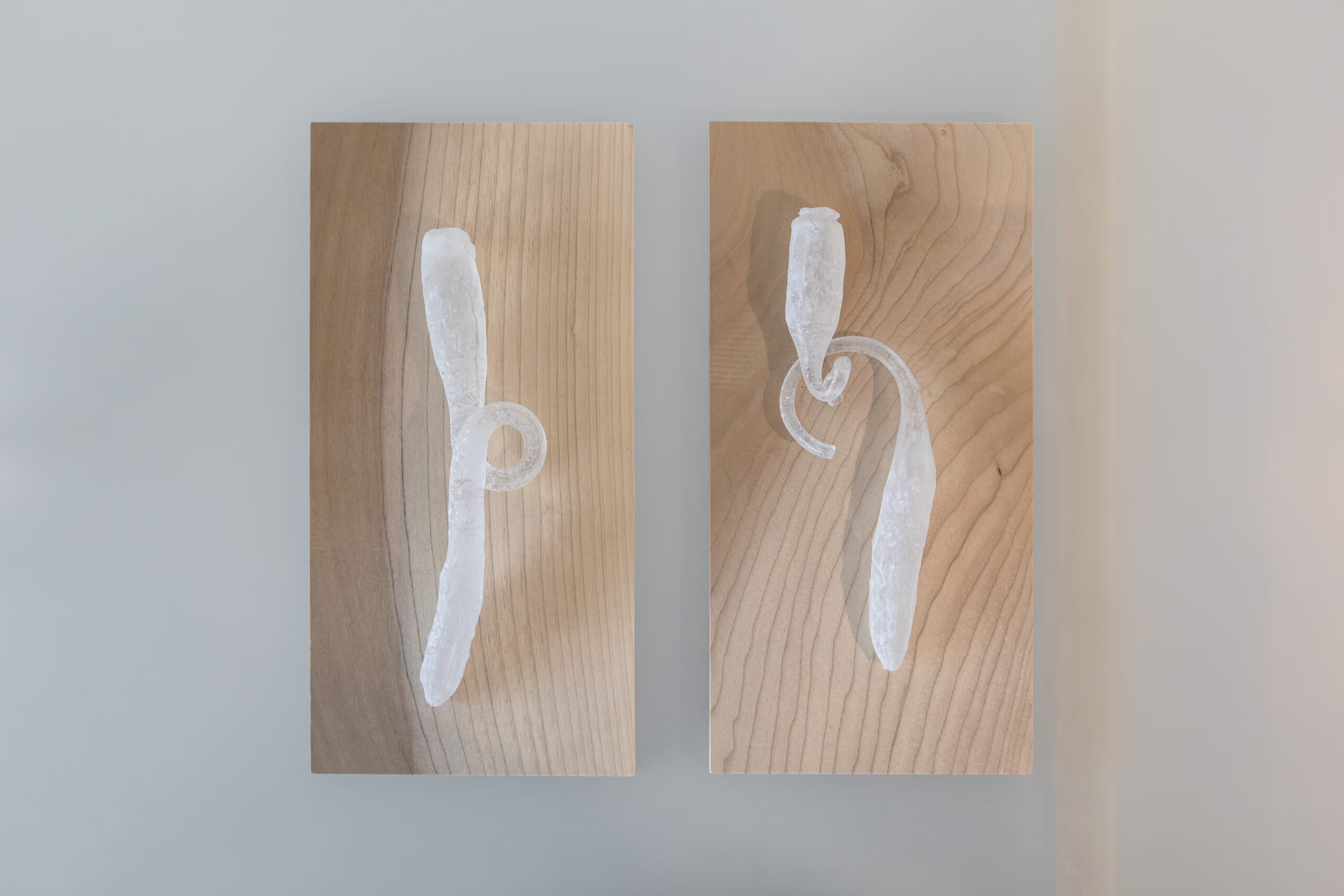
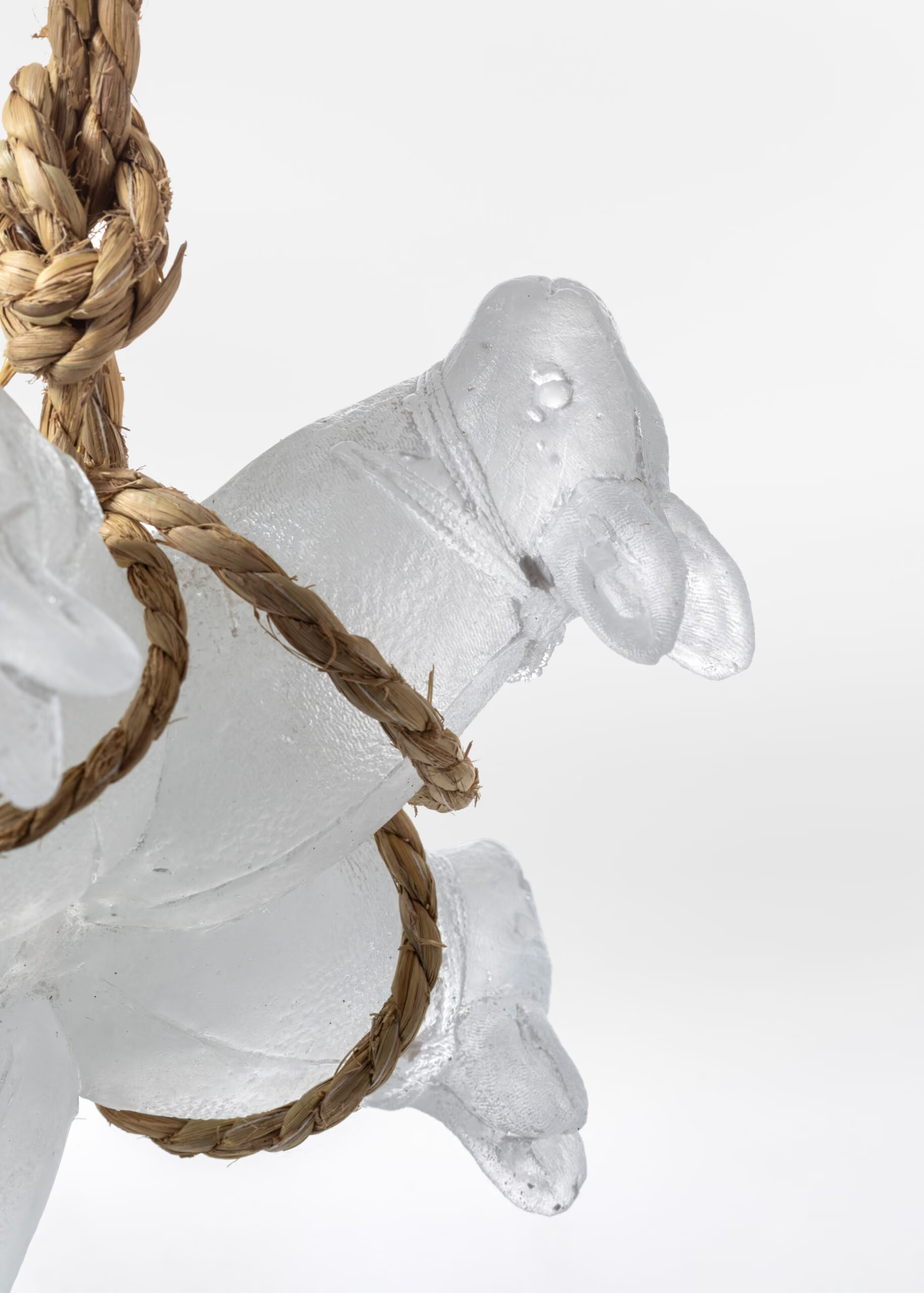
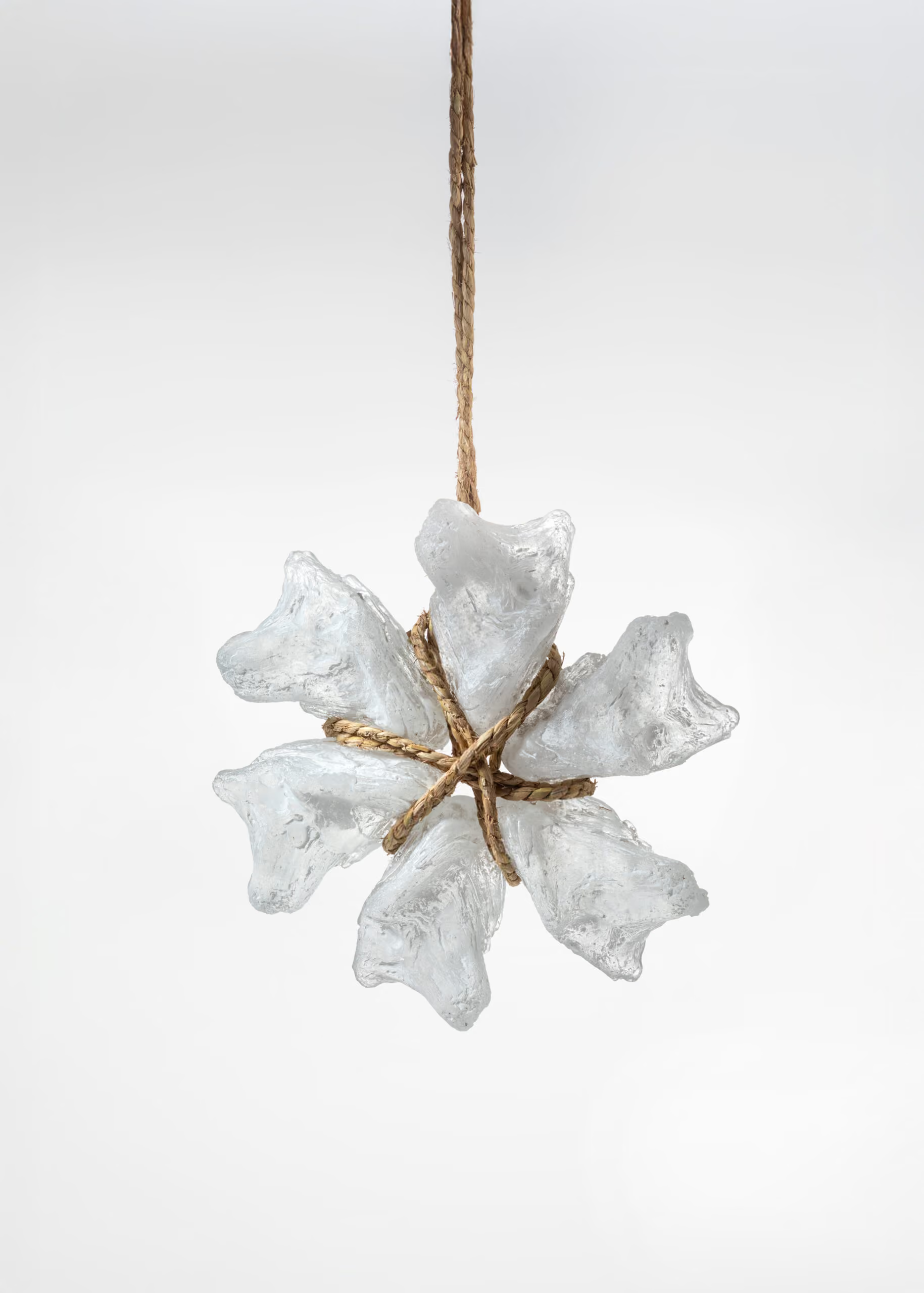
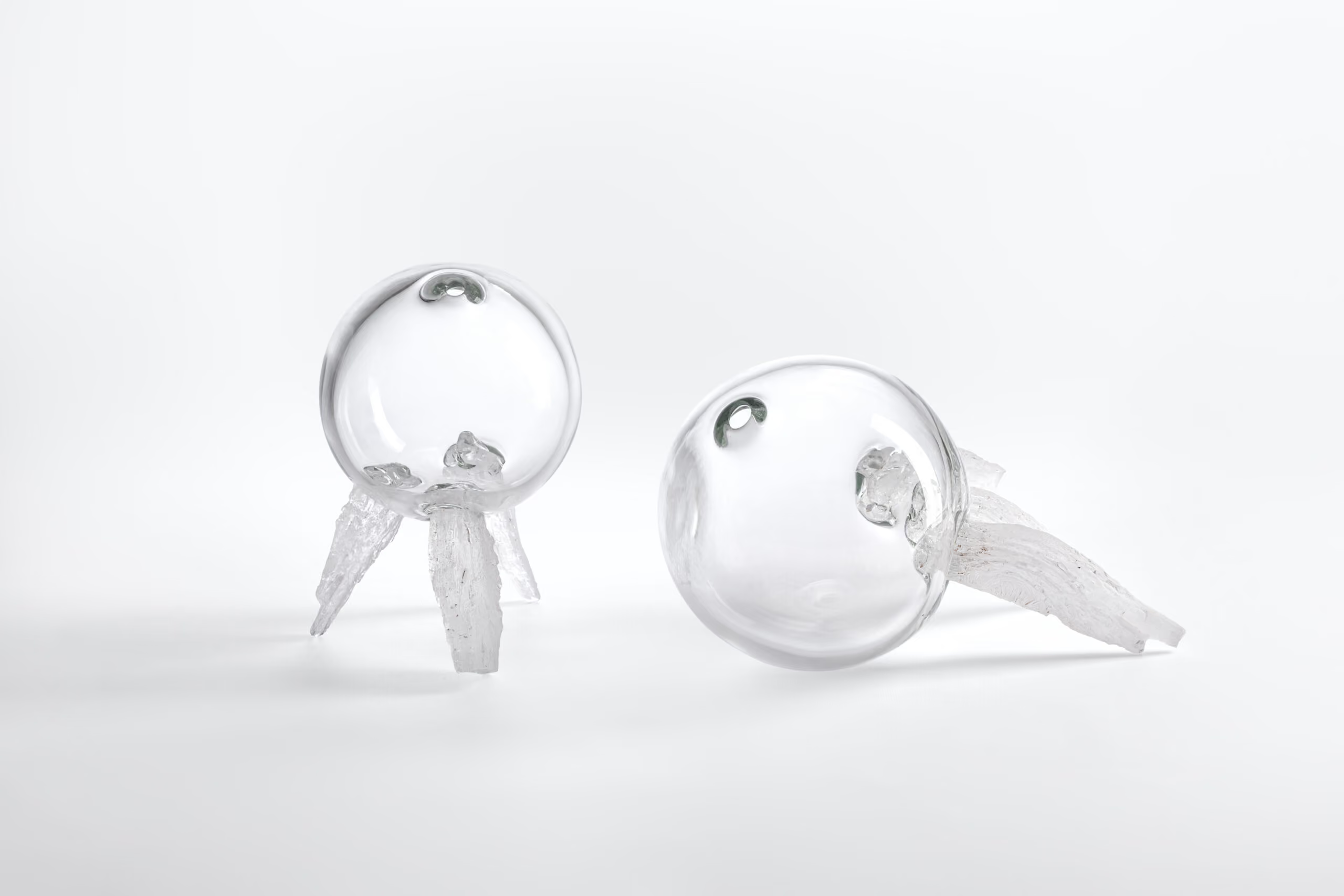
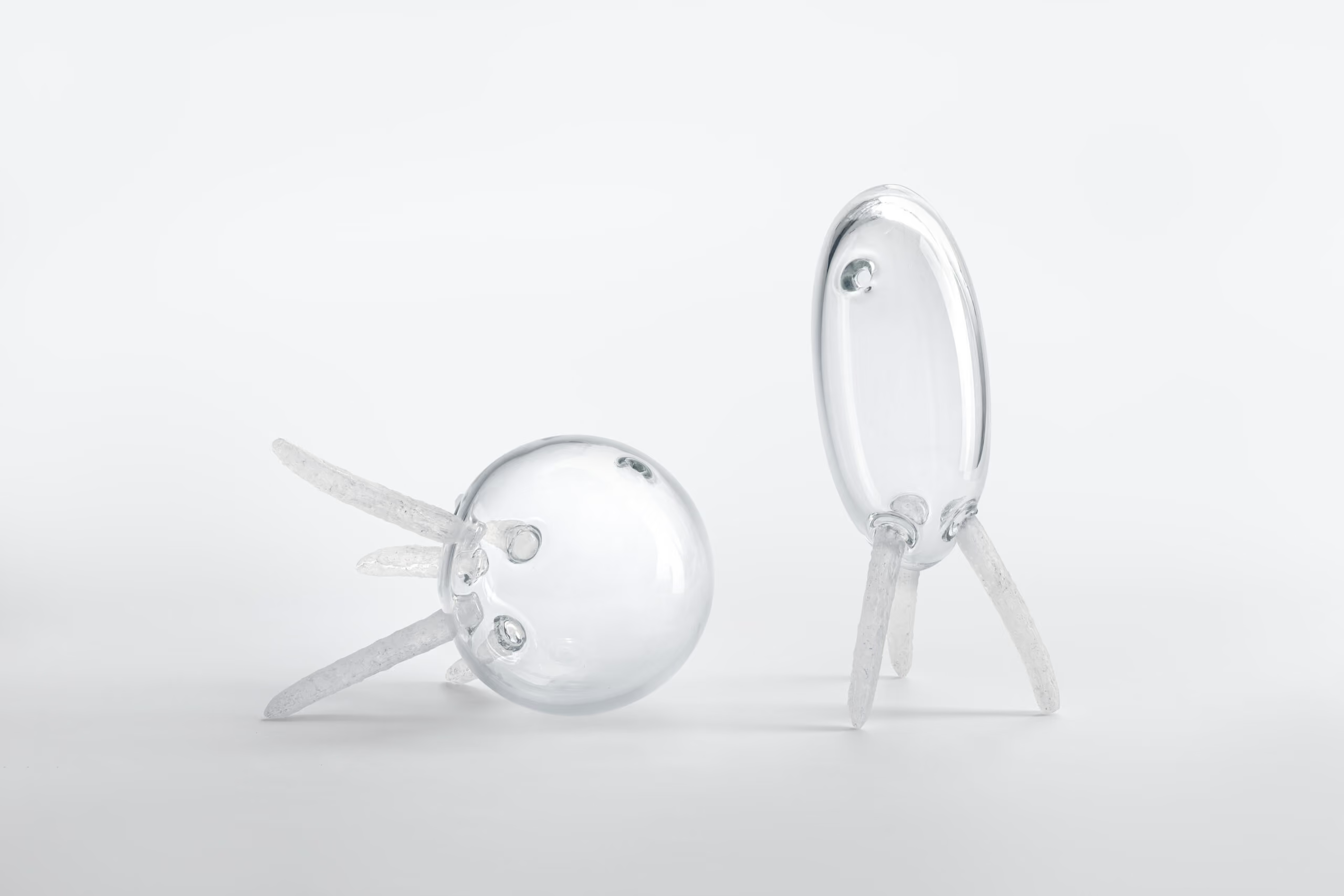
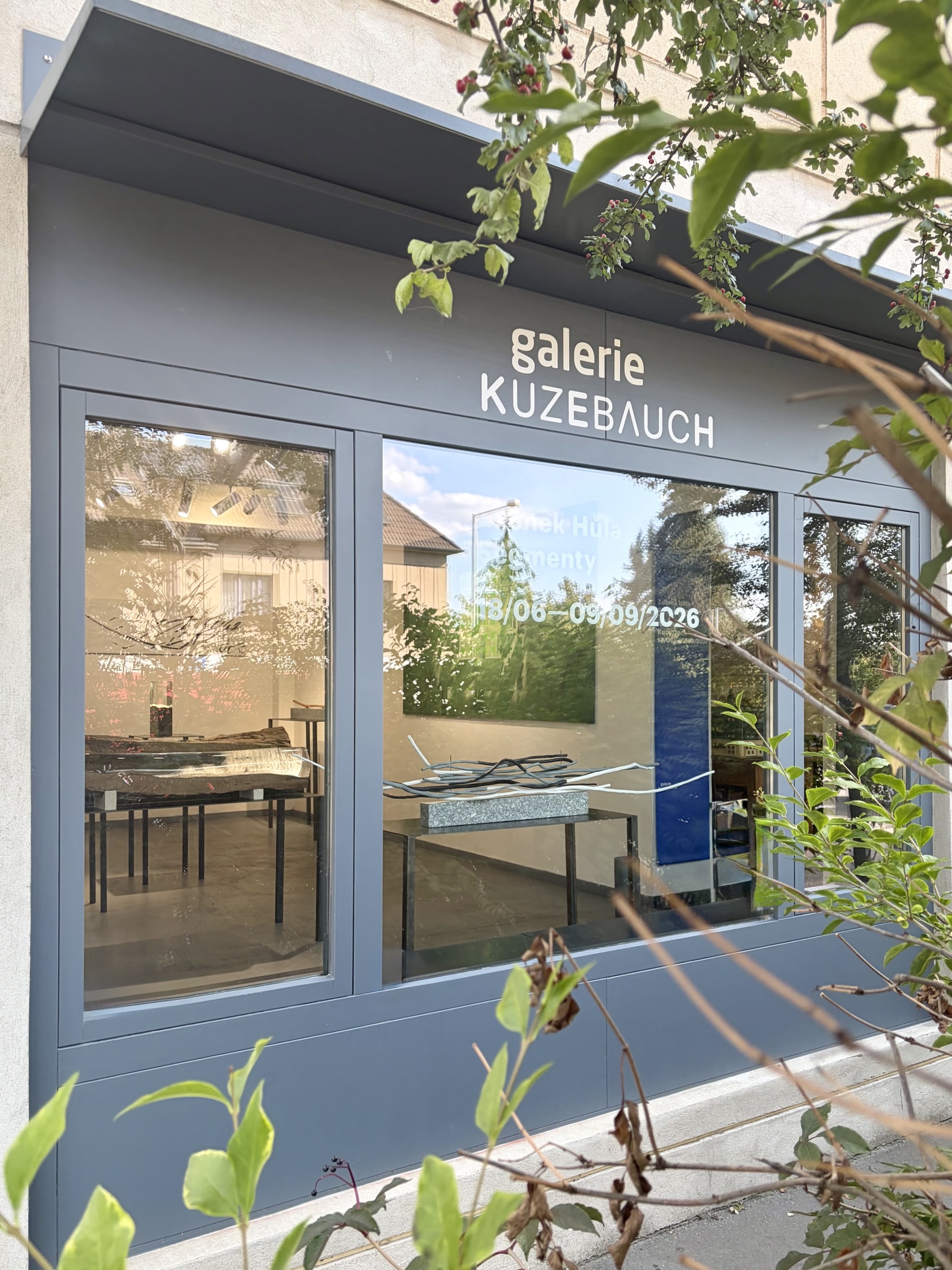
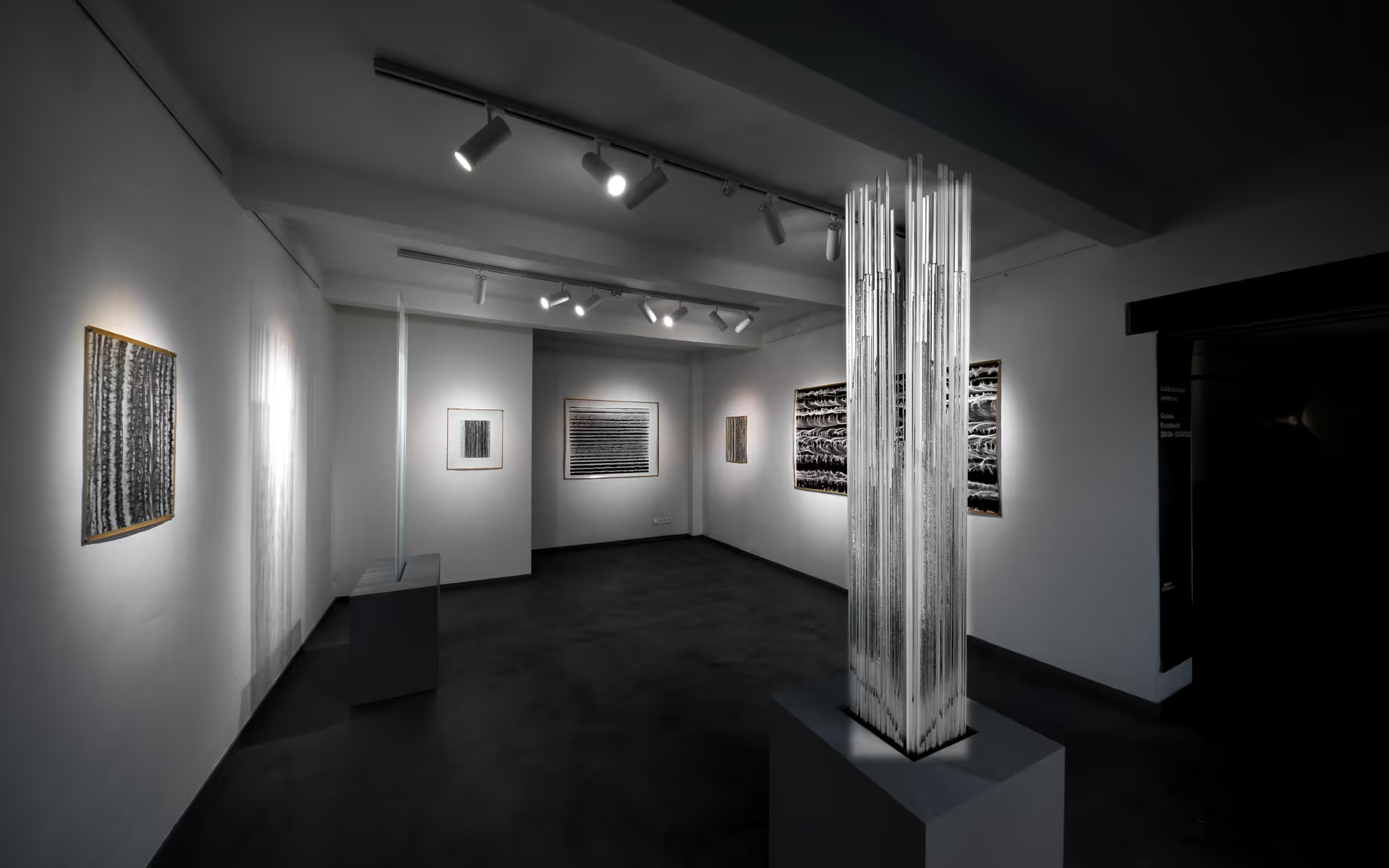
The Far from Nowhere exhibition showcases the culmination of a long-term experimental project by artist Vendulka Prchalová. The result is a collection of glass art objects that reflect the artist’s journey across the continents, gradually picking up items that contain an inherent sense of the places she has visited and carried out her craft. Thus, her glass objects capture the imprints of a variety of cultural and natural phenomena, which Prchalová has encountered during her travels – from Montanta in the United States, to Frauenau in Germany, to Toyama in Japan.
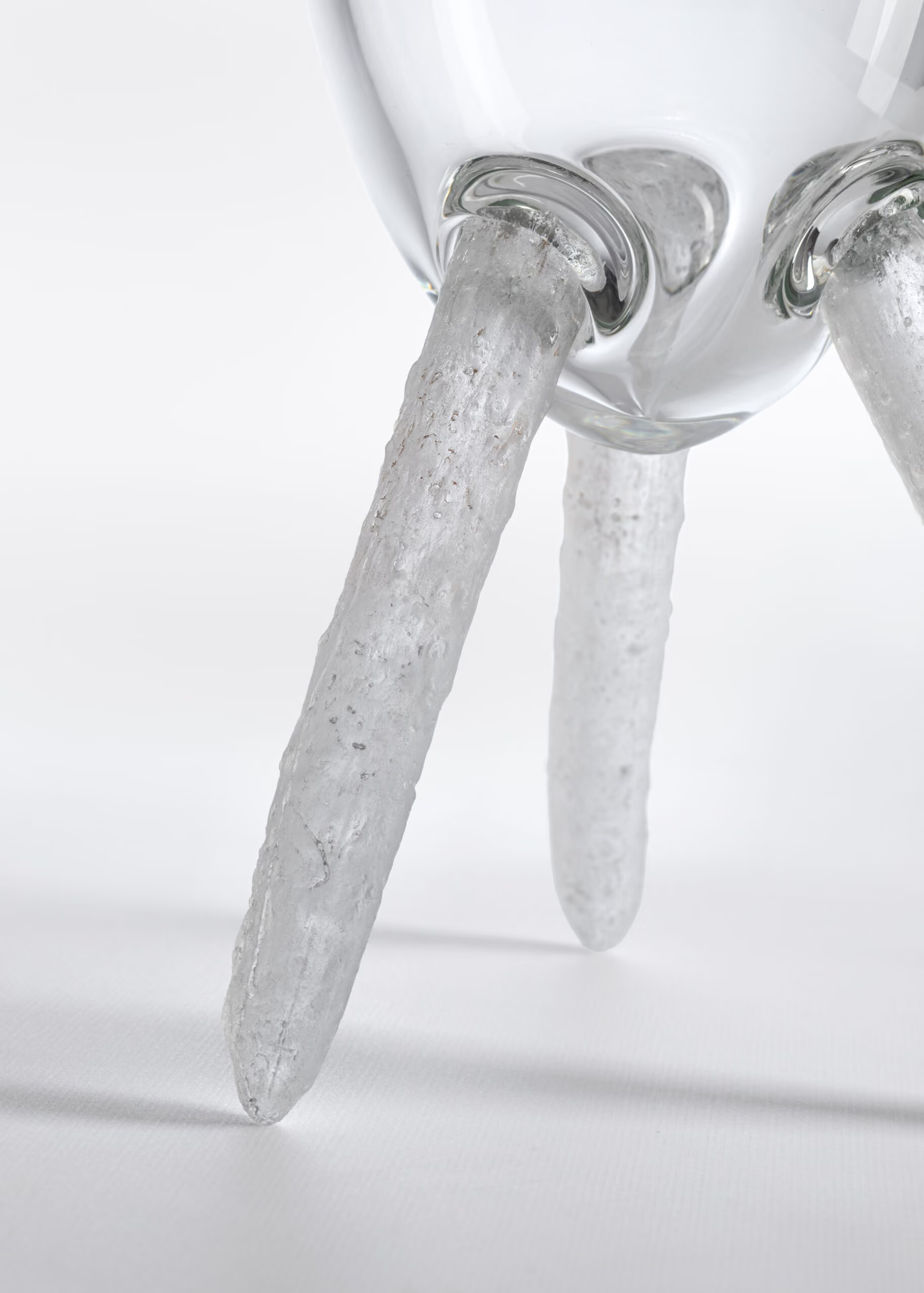
The presented objects are created in a specific manner, whereby the artist discovers or obtains certain materials and then transforms these into glass forms. Subsequently, the forms undergo further transformation in a glassworks studio. The resulting works thus reflect both technological innovations – of the kind that the artist has spent years perfecting – as well as her own personal experiences with specific visited locations. Prchalová’s art objects are imbued with meaning and creative approaches that have long been typical for the artist – combining glass with other materials, zoomorphic motifs, experimenting with form, and a playful re-contextualisation of the subject matters she has encountered.
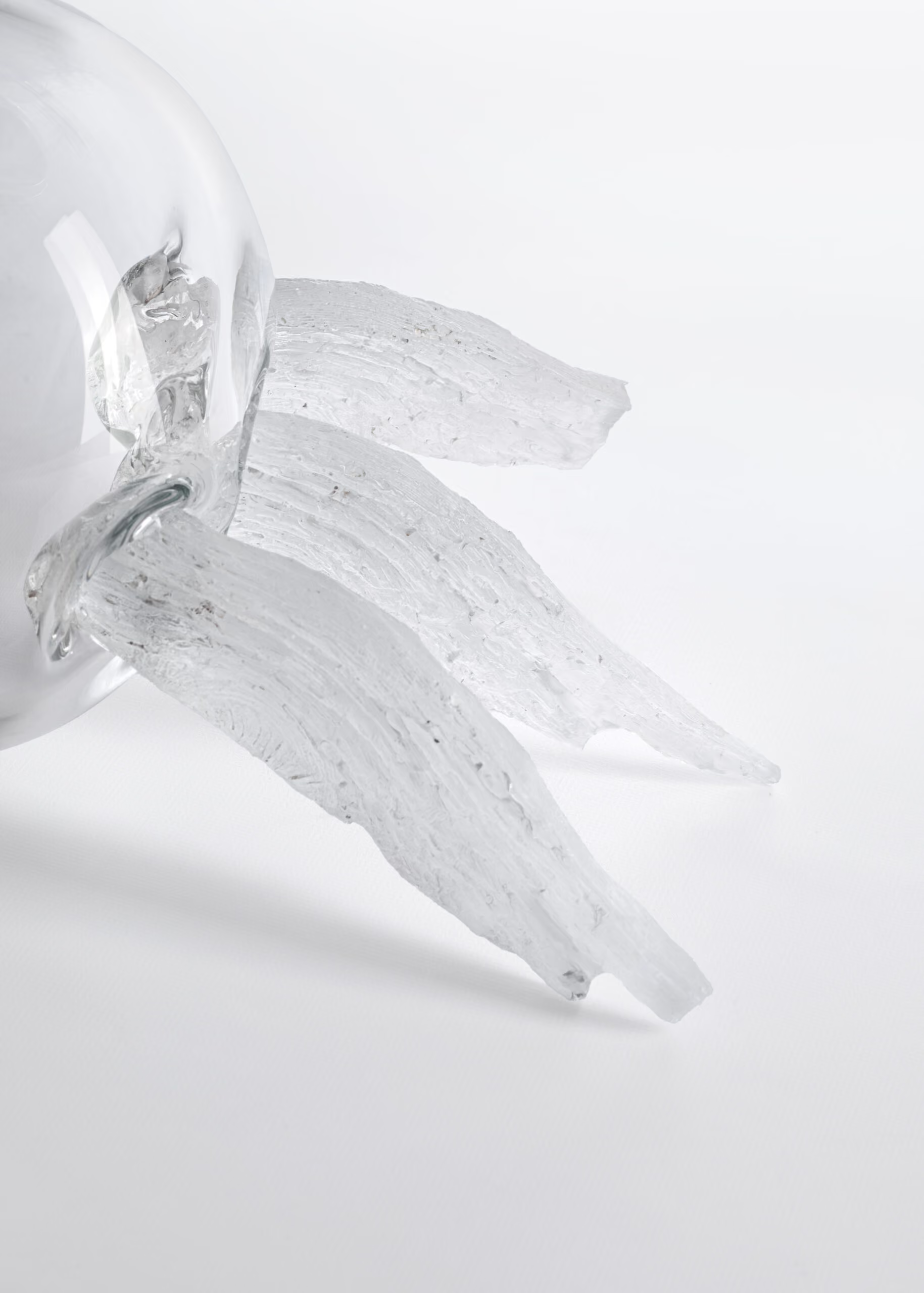
Aside from individual artefacts, the exhibited collection of works also offers two subcategories of artefacts, titled Klackosauři a Okurkodlaci (Clackosaurs and Cucumbereaters). The former are created with the assistance of driftwood castings from Japan’s Iwasehama beach, while the latter reference the author’s fascination with the morphology of the Japanese cucumber, which among her colleagues has gained the nickname “Kappa” – i.e. the Japanese water monster of folklore, to whom these delicacies are traditionally sacrificed. In addition to these objects, the exhibition also showcases additional experimental works, for example the Missing Parts and Stretched series, which came about as part of the artist’s experimentation with blown glass. The collection also features a number of individual fused glass sculptures that make use of principles associated with the multiplication and deformation of former wax model forms, often enriched with other materials such as rice rope, or natural and varnished wood.
In Japanese culture, the aforementioned Kappa is viewed somewhat ambivalently. On the one hand, the creature represents the playful and ravenous spirit of lakes and rivers; but on the other it is a dangerous monster that can capture and drown inattentive passers-by. This duality – spanning from danger to affinity – reflects the wider Japanese principle of yokai – creatures that cannot be simply categorised as either good or bad. And such inherent duality is also to be found in the works of Vendula Prchalová, her artistic works stoking both feelings of harmony and disharmony, order and chaos, resilience and fragility.


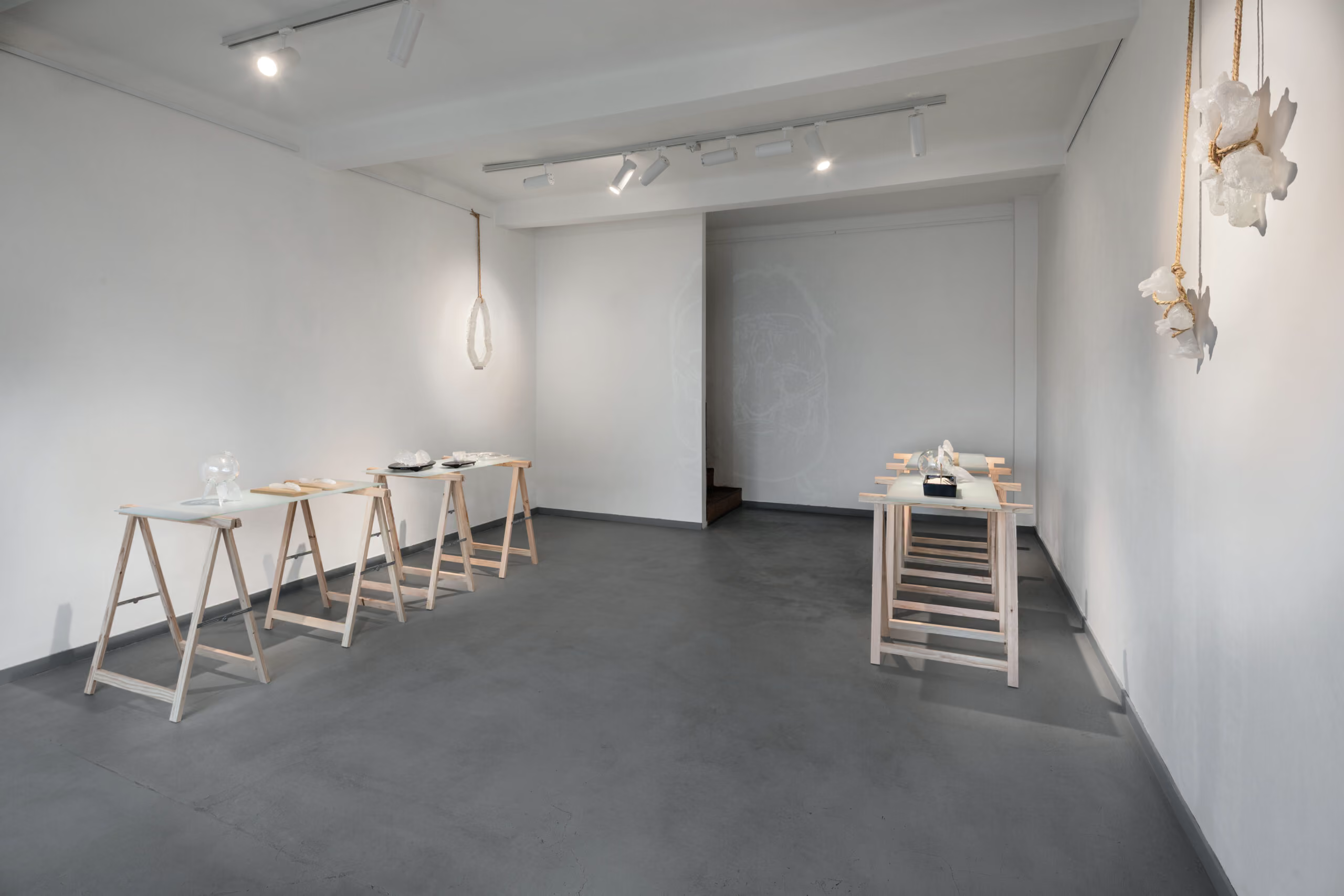
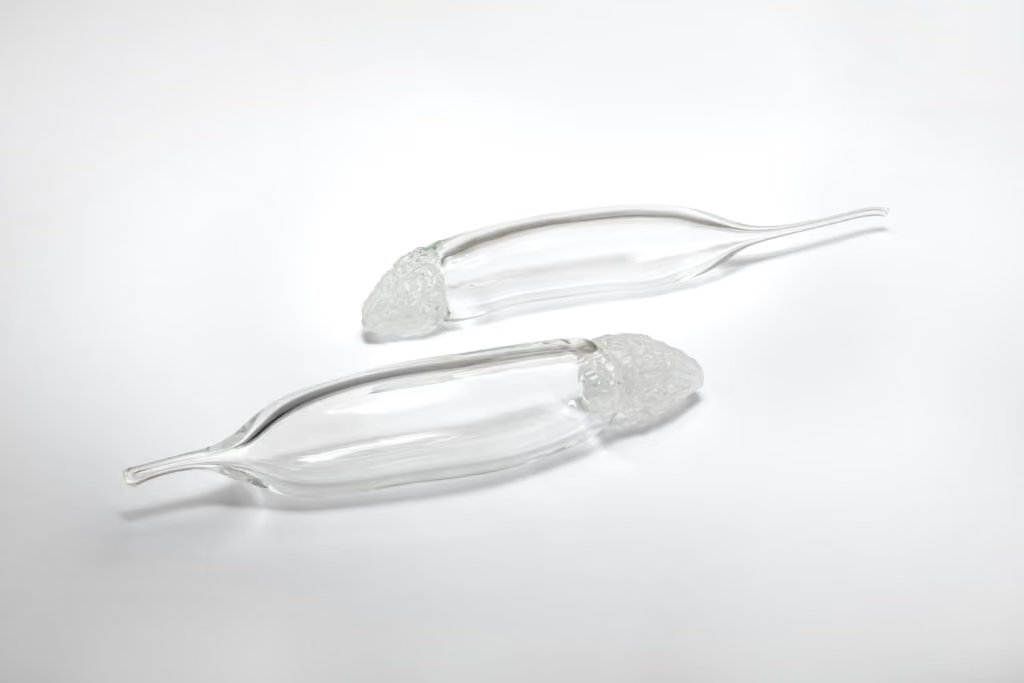

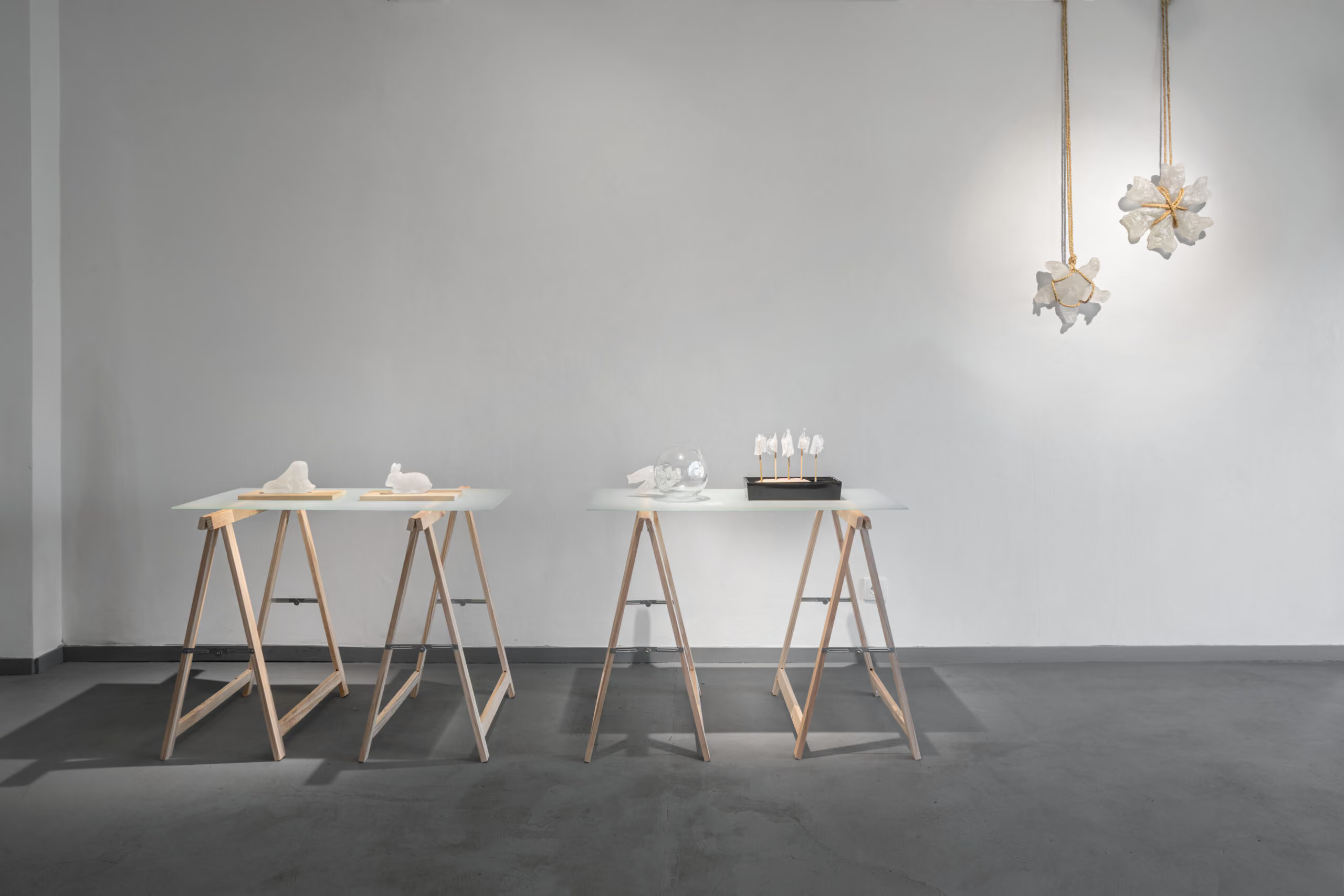
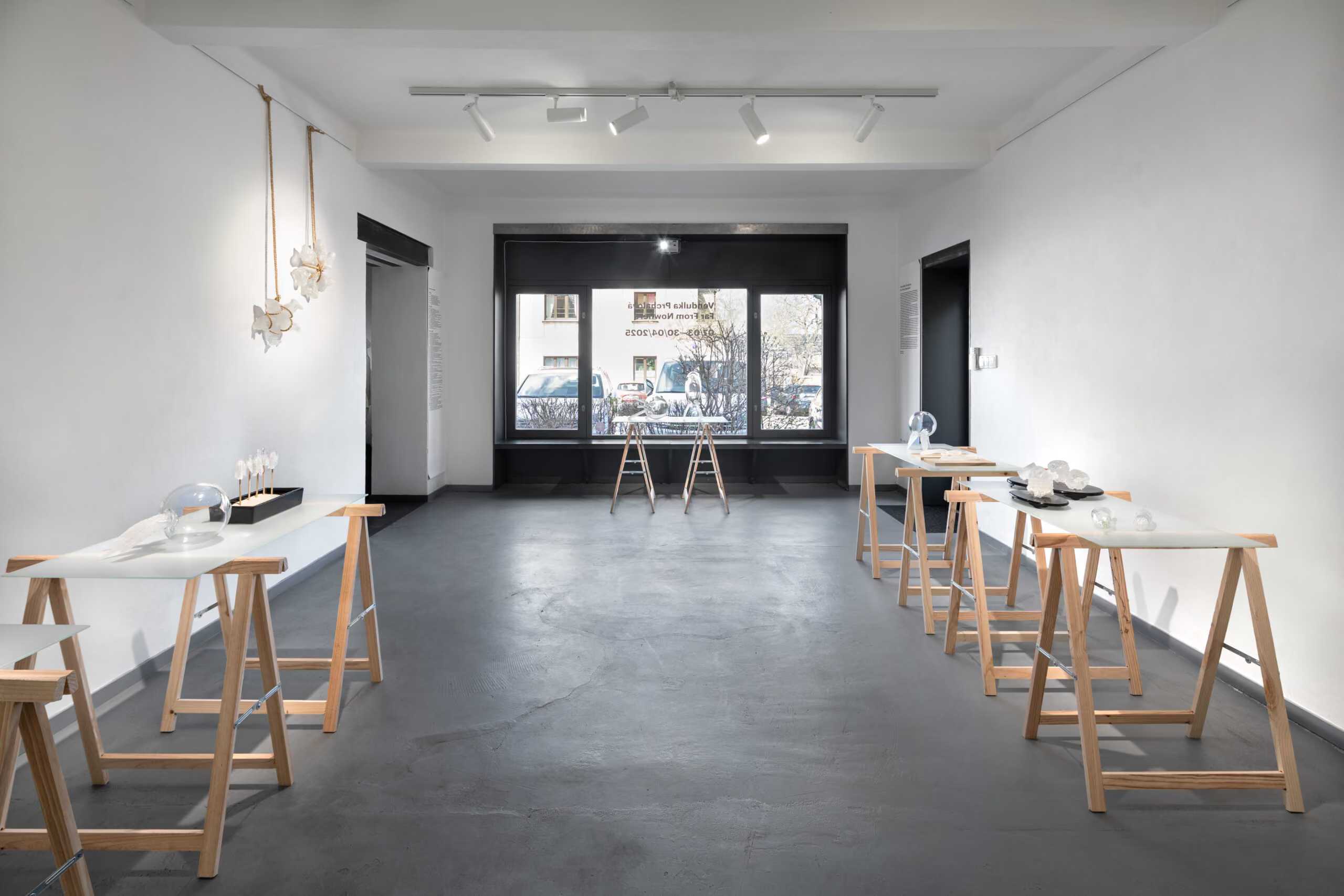
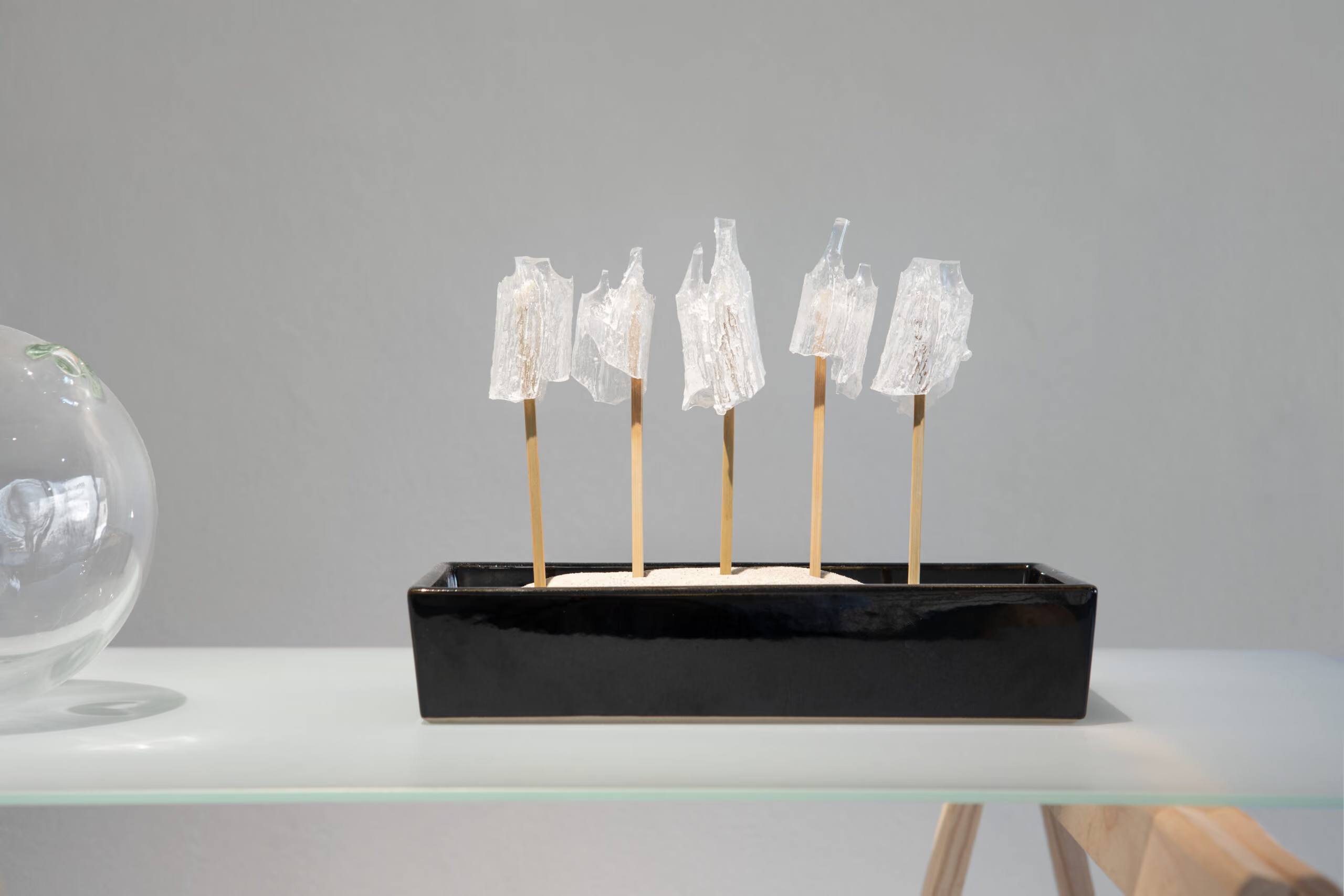
Vystavený soubor děl obsahuje kromě samostatných artefaktů též dvě podskupiny předmětů nazvané Klackosauři a Okurkodlaci. Klackosauři jsou vytvořeni pomocí odlitků naplaveného dřeva z japonské pláže Iwasehama, zatímco Okurkodlaci odkazují na její fascinaci morfologií japonské okurky, jíž si mezi svými japonskými kolegy vysloužila přezdívku Kappa – japonské vodní monstrum, jemuž jsou tyto pochutiny tradičně obětovány. Kromě těchto objektů výstava představuje i další experimentální práce, například série Missing Parts a Stretched, které vznikly v rámci experimentů s foukaným sklem. V kolekci se také objevují drobné tavené plastiky využívající multiplikaci a deformaci původních voskových modelů, často obohacené o jiné materiály jako rýžové lano nebo přírodní či lakované dřevo.
Zmiňovaná Kappa je v japonské kultuře vnímána jako tvor veskrze ambivalentní. Na jedné straně je hravým a mlsným duchem řek a jezírek, na druhé straně zákeřným tvorem, který může uchvátit a utopit neopatrné kolemjdoucí. Tento rozpor mezi nebezpečím a přátelskostí odráží širší princip japonských yokai – bytostí, které nelze jednoznačně označit za dobré či zlé. Tato inherentní nejednoznačnost je příznačná i pro Vendulku Prchalovou, jejíž umělecká díla vzbuzují zároveň pocity harmonie i neklidu, řádu i nahodilosti, surovosti i křehkosti.
Kurátor výstavy: Michal Vaníček