“The secret of glass stems from fire and water, representing a fixed drop of time.”
– Octavio Paz
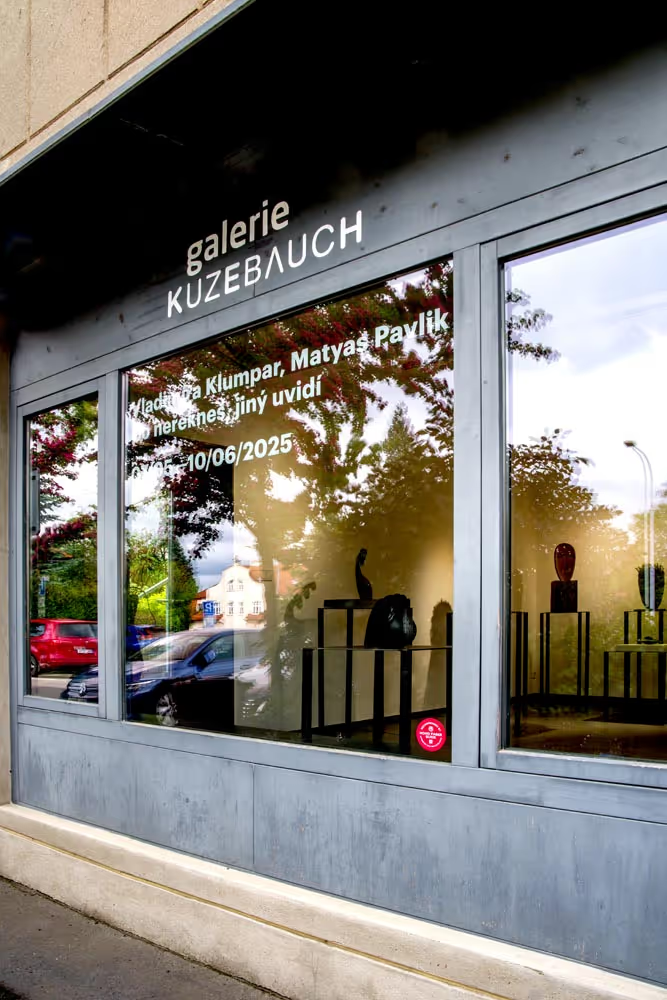
Fire and water are classical elements that carry significant cultural, philosophical and alchemic meaning. Combining such forces, along with their metaphorical symbolism, has long been a fundamental aspect within Mexican culture, going all the way back to the unique Purépecha indigenous people. At its core is an existential question pertaining to the cyclical nature of the world – be it infinite or finite. This was rooted in a belief in the fragile balance between the power of fire, as representing the power of the Sun, and of water, as a symbol of fertility and renewal. The deep interconnectivity of these elemental forces has also beens reflected in their representation in the world of art. The symbolism associated with fire has long been depicted in pottery via rich patterns; it has been evident in metal objects via gold and brass decorative ornamentations; and also in wood and clay in the creation of masks. The same is true for aquatic symbolism – embodied in depictions of fish, waves, and the rituals taking place by Lake Pátzcuaro in Mexico. Its surface, reflecting candlelight, has spurred a unique dialogue on unceasing changes and their material manifestation. The Purépecha people’s capital, Tzintzuntzan, is the ancient source of concepts that now take on a physical artistic form via the fused and hand-cut glass artefacts of Vladimíra Klumpar and Matyas Pavlik in the year 2025. The unique collaboration by two generations of glass artists has unveiled a long chain of formative childhood memories, a life lived in Mexico, and many subsequent return visits – all continuing to provide meaningful and highly original artistic inspiration.
Artist Vladimíra Klumpar offers an unusual consistency of form in these particular works: smaller, warmer artefacts based on older freestyle designs. Such objects interweave direct inspiration by subtropical flora and fauna, the symbolism of place, and a variety of morphologies – all crystallised into an alluring spectrum of colours. An aspect of particular note is the playful dimensions of the art objects, which are particularly evident through the interplay of light. Indeed, the artist’s masks represent a loose continuation of these very experimental motifs. Specifically, Klumpar alters the respective sizes, forms and attributes of her works; in her newest series, she has, for example, created a facial motive dotted with spike-like structures. The artist first encountered masks while growing up in Mexico. Over the years, her relationship to these silent, yet deeply expressive faces has evolved, ultimately finding its way to a glass art form. Such art objects now communicate with each other, with other artefacts, and with observing visitors; together they lay the foundations for the generation of additional layers of memory.
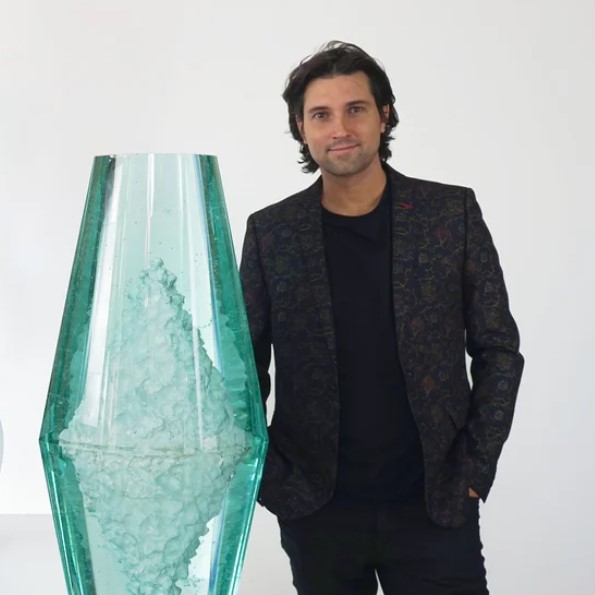
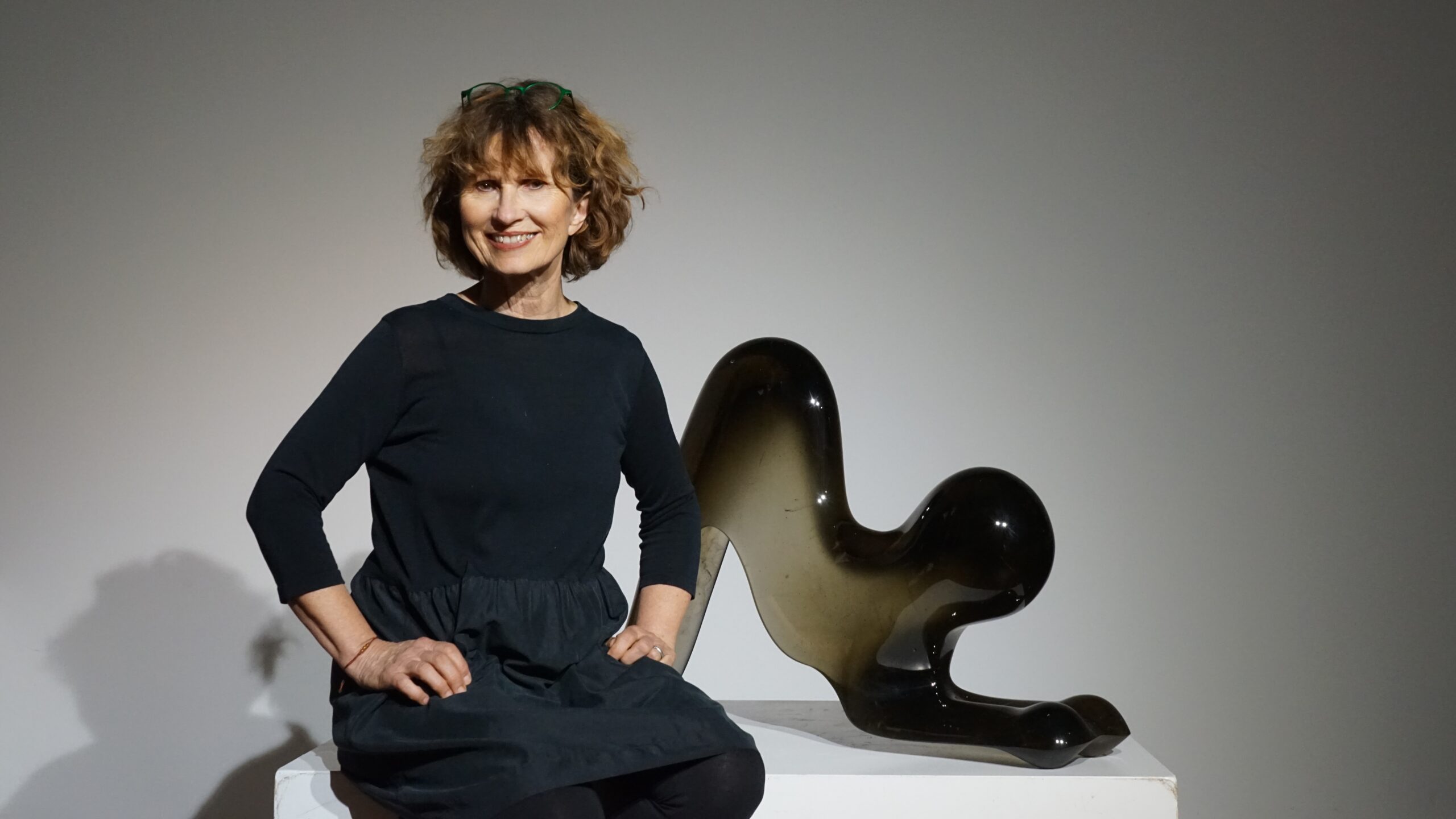


Autorka zde představuje nečekanou rovinu své tvorby: drobnější, hřejivé artefakty dle návrhů starších volných skic. V nich se prolíná přímá inspirace subtropickou faunou a flórou, symbolismem místa, odlišným tvaroslovím, které krystalizuje do příjemného spektra barev. Unikátním prvkem je hravá proporce, vznikající působením světla. Autorovy masky jsou volným pokračováním téhož motivu, s nímž experimentuje. Mění jeho velikost, tvar a atributy; v nejnovější sérii se soustředí na motiv tváře s tečkovanými vzory. Prvotní setkání s maskami pochází z jeho dětství v Mexiku. Během let proměňoval a následně ve skle reflektoval svůj vztah k těmto tichým a přesto výmluvným tvářím. Ty nyní komunikují mezi sebou, s ostatními artefakty a návštěvníky; společně tak vytvářejí půdu pro budoucí vrstvy paměti.
Kurátorka výstavy: Magdalena Schnitzerová