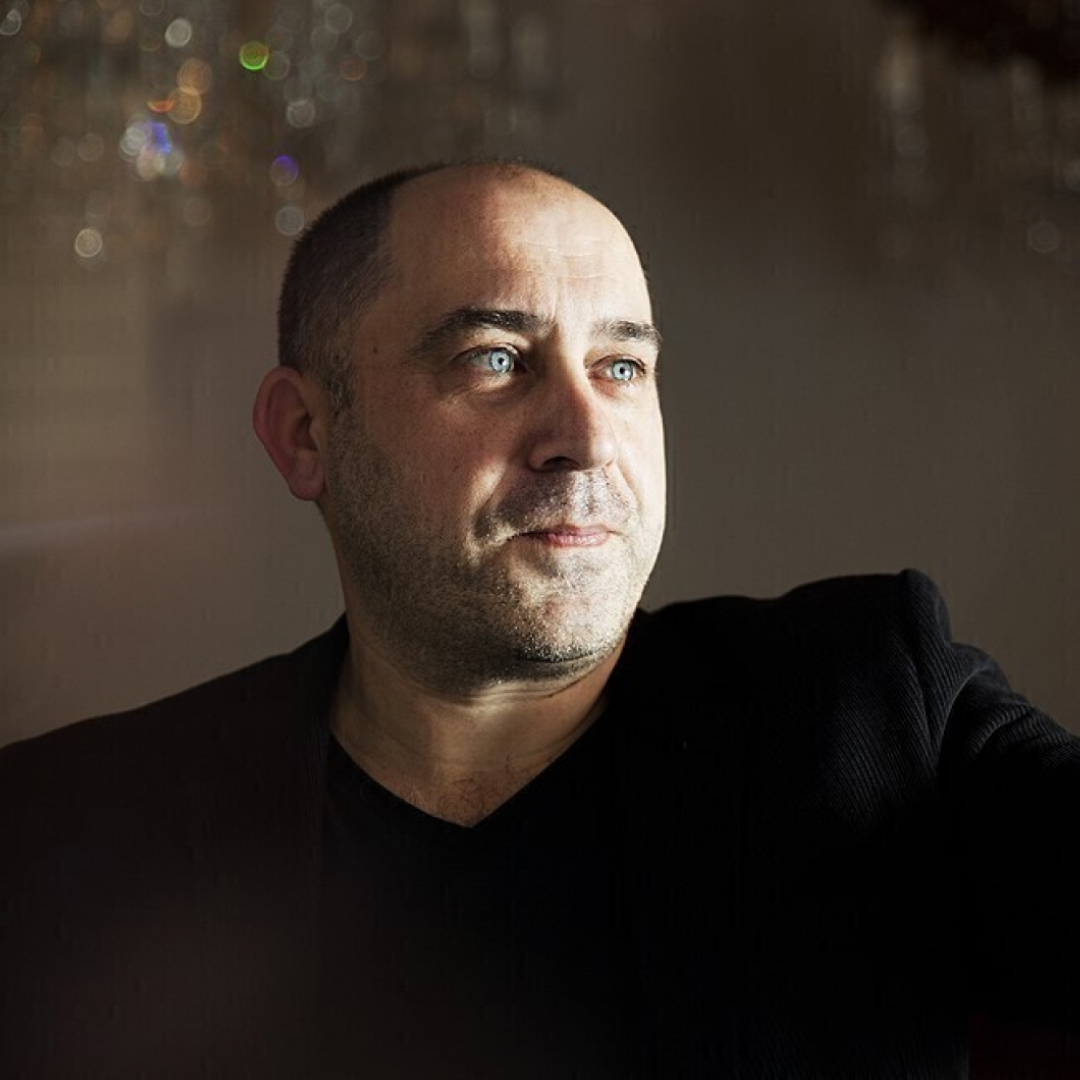
Jaroslav Bejvl jr. (*1967) studied at the Applied Glass Arts High School in Kamenický Šenov, the first of its kind worldwide (established in 1856). His alma mater may be the reason for his art being full of respect to tradition and craftsmanship, which he, with empathy and softness, combines with the contemporary aesthetics. On one hand, he worships glass as a visually attractive material; on the other hand, he plays with layers, structures, and the context of the cosmic era.
Glass artists use a variety of technology but what really matters is their individual approach to the technology chosen. Art without craft remains an introverted exhibition. Jaroslav Bejvl, an artist who has devoted most of his life to art, knows well when to whisper to glass and when it´s time to raise his voice. Above all, one has to remain talking – working with glass must a be a dialogue rather than a soliloquy of a haughty fellow. Dialogue is the only way of getting back to the roots naturally, as Bejvl managed in his “mutants” concept.
The artist decided to travel in time back to the times when small factories produced high quality and unique pieces. He takes clearly defined pressed and blown vases designed by Václav Hanuš in the 1960´ and 1970´and has his team at the glasswork to blow them further. The resulting dynamic objects show traces of their origin which Bejvl further supresses (or points out) by subsequent sharpening of the cold object.
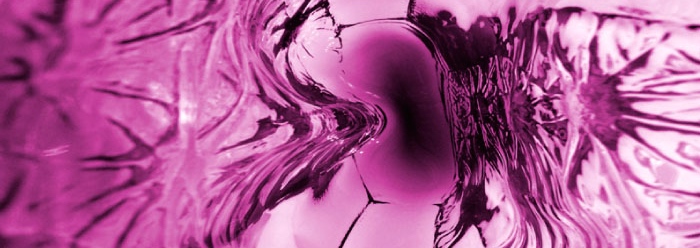
Bejvl uses glass press molds as incubators from some fantasy cosmic stories. When opened, they reveal something unexpected and very different from what the shape of the incubator would actually suggest. On the other hand, every viewer feels that “it may be somewhere there”. In a nutshell, Bejvl discovered the fourth dimension of press glass – REFORM.
Výtvarník se rozhodl podniknout cestu proti proudu času, tovární sériové výrobě znovu vrátit jedinečnost, když v kovových formách jasně definované lisofoukané tvary váz z 60.–70. let 20. století, navržené Václavem Hanušem, nechává skláře rozfukovat. Vznikají tak neopakovatelné dynamické objekty, výmluvně na sobě nesoucí stopy svého zrodu, které Bejvl ještě potlačuje (nebo zvýrazňuje) následným opracováváním za studena.
Lisovací formy vlastně používá jako inkubátory z fantazijních kosmických příběhů, z nichž po otevření na svět přijde něco jiného, než by divák nebo čtenář podle jejich tvaru očekával. Ale každý z nich přitom tušil, „že to tam někde může být“. Nebo lze stručněji říct, že Bejvl objevil čtvrtý rozměr lisovaného skla – REFORM.
PhDr. Petr Nový
hlavní kurátor Muzea skla a bižuterie v Jablonci nad Nisou
kurátor Galerie Kuzebauch