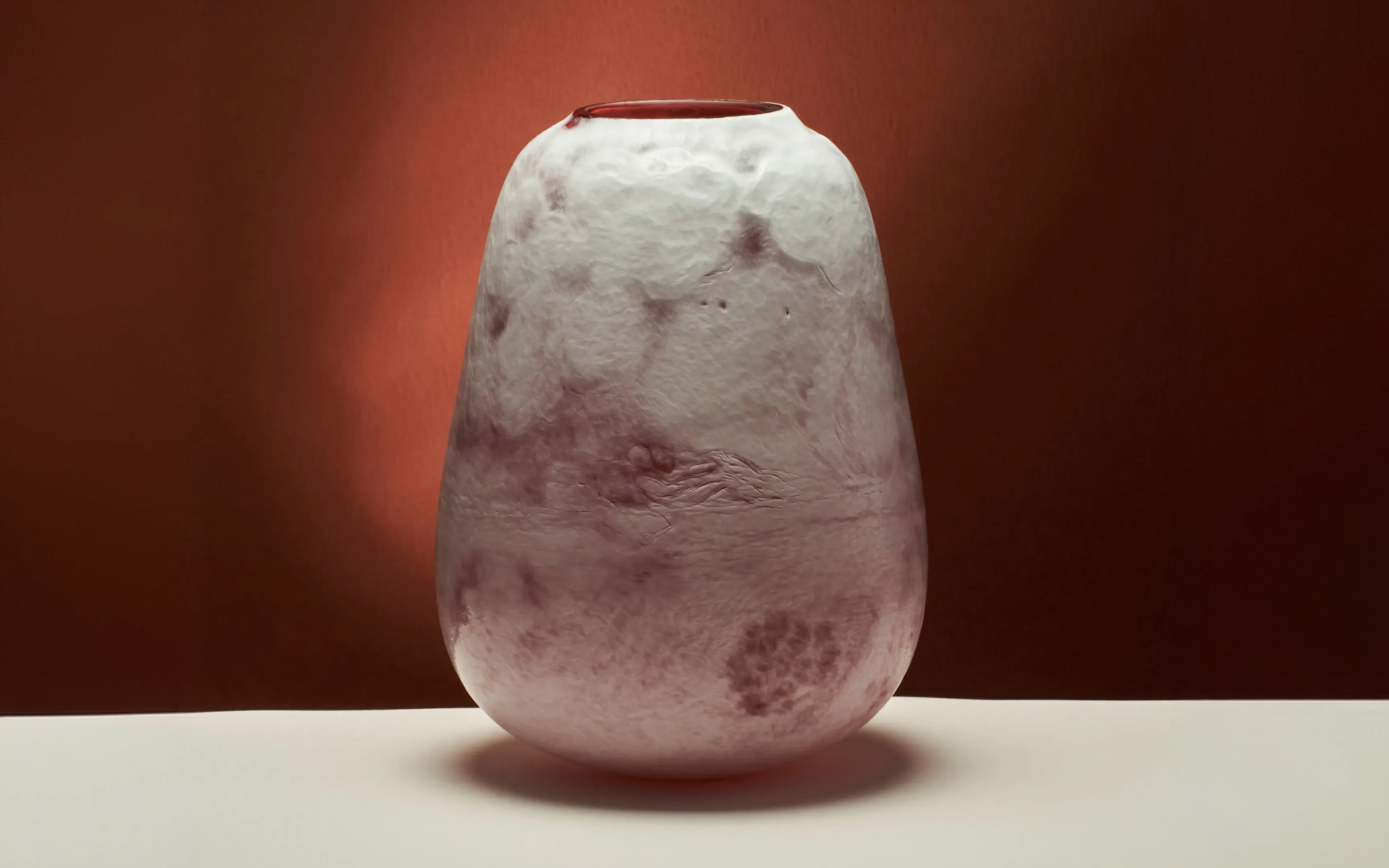
Not all revolts change history. Some only transform the way we look at it. They happen almost imperceptibly—in attention, in patience, in the decision not to lose our sensitivity to the world. In a time that prioritizes speed, volume, and certainty, fragility becomes a quiet form of resistance. Not as a weakness, but as the ability to perceive, preserve, and rediscover what easily fades away. Rivolte fragili is a space where this fragility becomes a creative force.
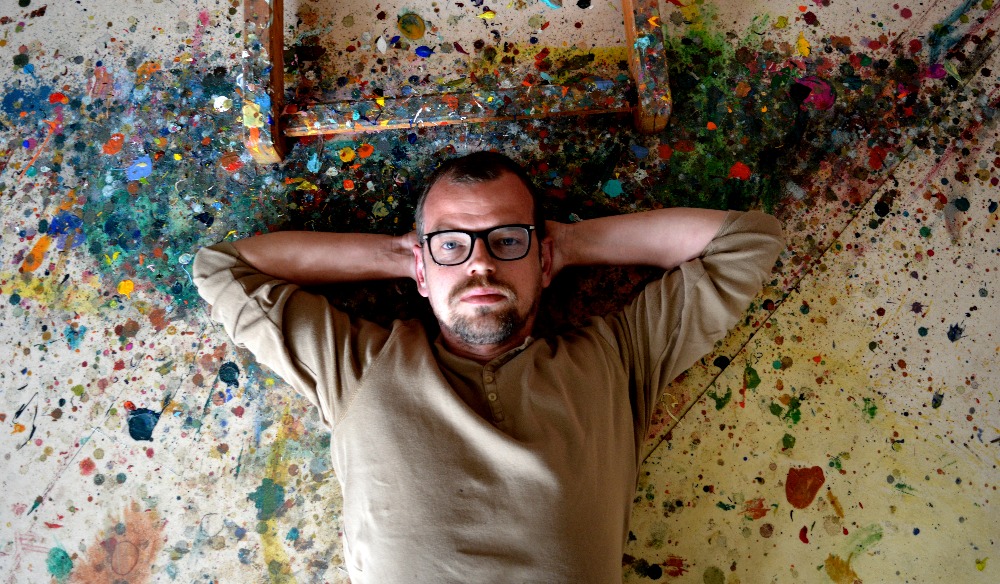
The exhibition of glass works by Anna Polanská and large-format paintings by Tomáš Plesl at Gallery Kuzebauch presents two distinct artistic paths that meet in a shared space of experience. They are not connected by the same language or similarity of form. They are connected by a long-shared time—everyday life, conversations, silences, the movement between the studio and home. What emerges in the work of one subtly touches the work of the other.
Their reciprocity does not begin in front of the viewer's eyes. It is present before the works are even exhibited. It is hidden in the rhythm of work, in the way of looking, in the memory of moments lived together, in a shared sensitivity to the same impulses, and in their dedication, authenticity, and integrity of approach.


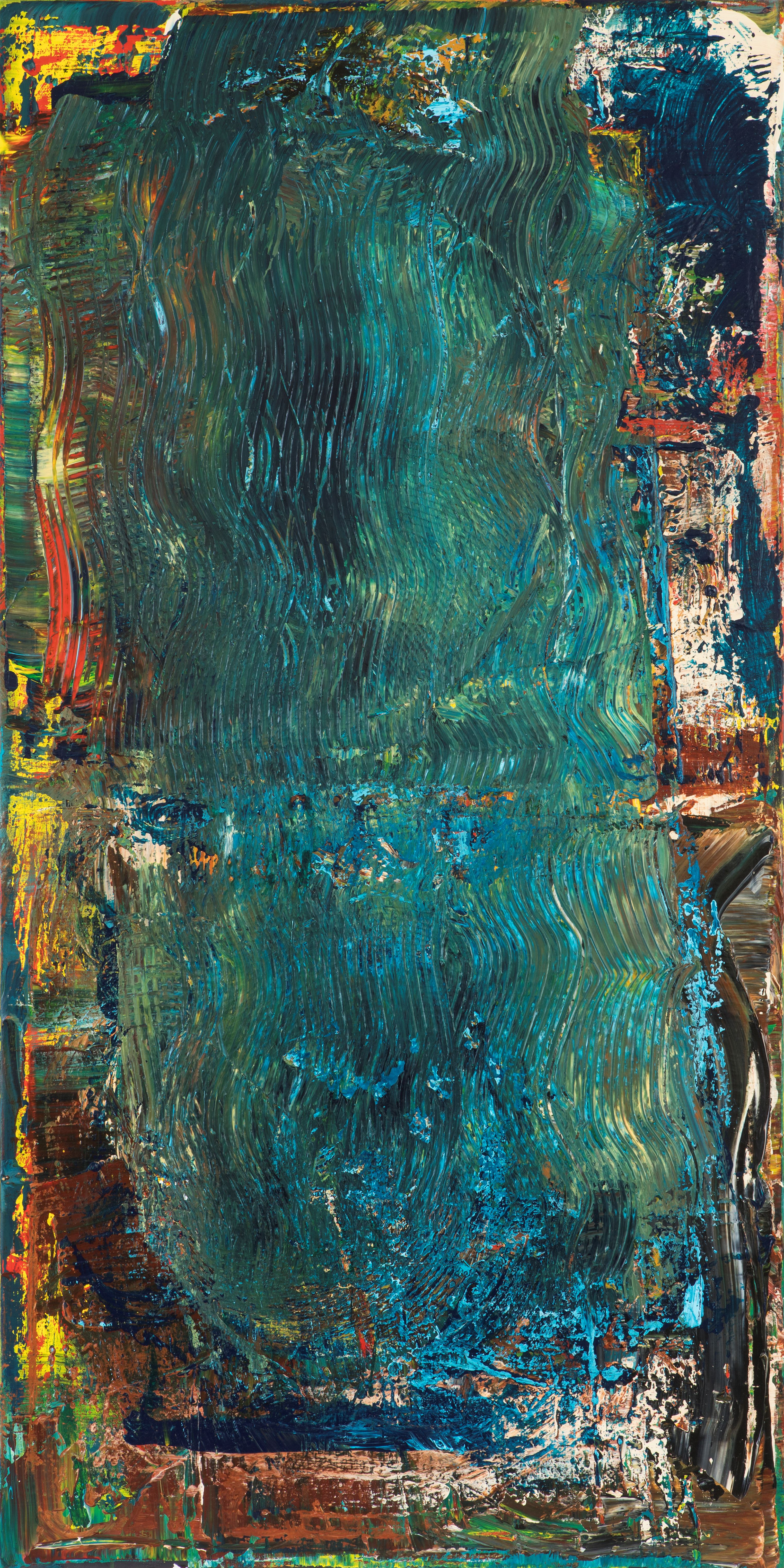
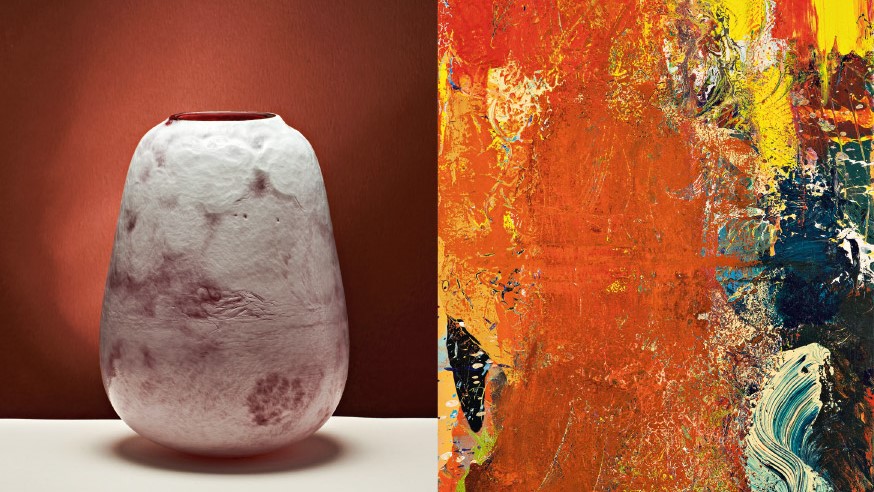
Tomáš Plesl’s painting is not a description of the world. It is an event. It is a record of movement, energy, and time, in which color becomes an idea before it takes on a concrete shape. A generous gesture, intense color relationships, and the layering of surfaces create a space that does not close itself into an image of reality. It is open, changeable, and constantly emerging.
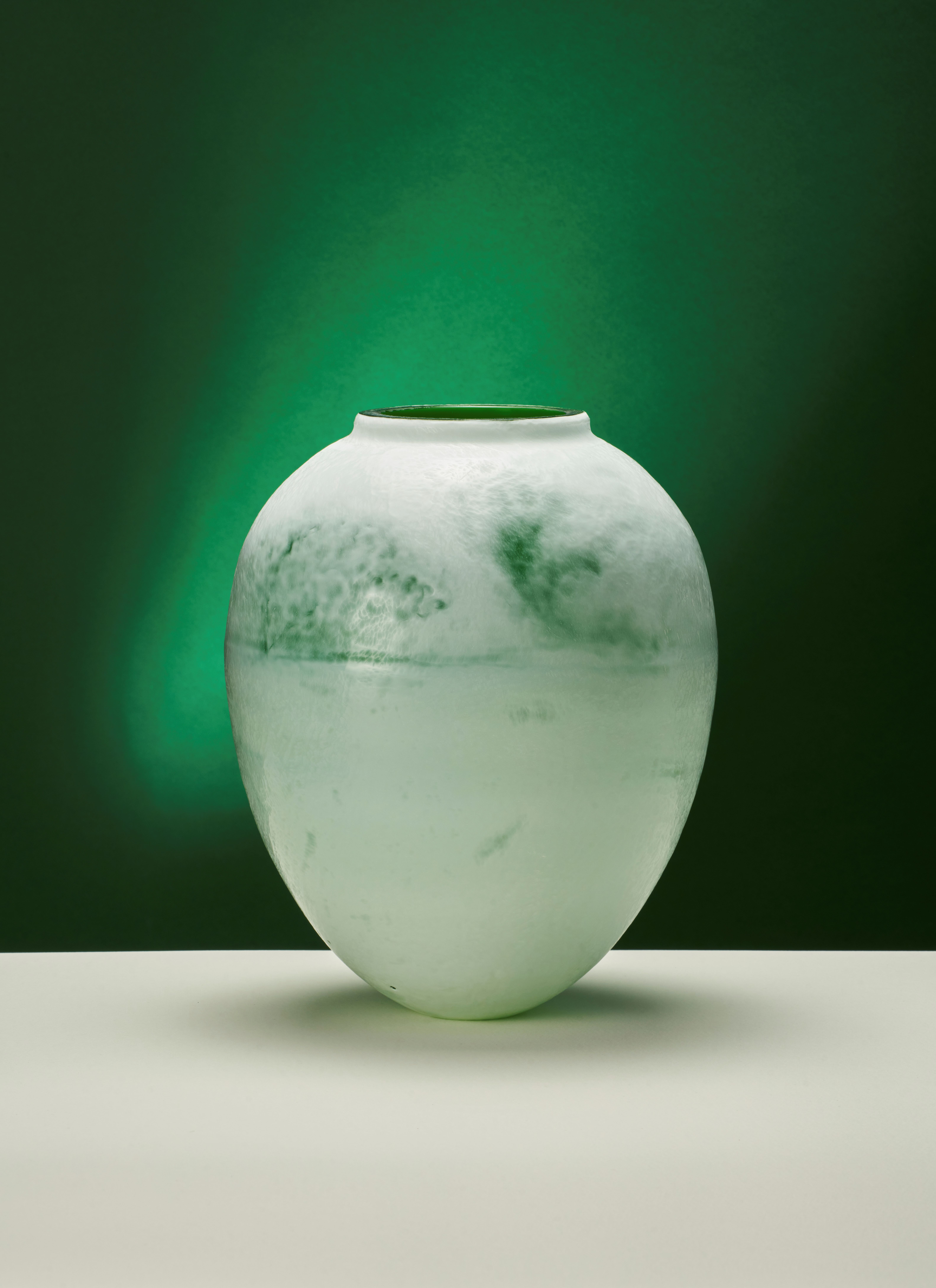
Anna Polanská’s glass works operate with a different rhythm. Engraving into rotating glass forms is not an act of addition, but of subtraction. It is a trace of a touch waiting for the moment when light reveals it. The delicate pastel tones of the vases change their expression according to the viewer's movement. The image is never fully accessible. It appears and disappears, shows itself in a reflection, and vanishes again. Meaning does not arise solely in the object itself, but in the encounter between material, light, and gaze.
Painting and glass meet here in a certain paradox. One captures a moment that cannot be stopped. The other preserves a trace that exists only when light reveals it again. Presence, then, is not a point between the past and the future; it is a constant movement between emerging and fading. The work of both artists resonates with the idea that we do not perceive the world from a distance, but that we are part of it, woven from the same fabric. Fragility, then, does not have to stand against strength; it becomes a different kind of strength. It requires attention, patience, and a willingness to accept uncertainty. Perhaps that is why these works are a revolt. Not against the world, but against the way we have become accustomed to inhabiting it.
Rivolte fragili opens a space in which intimacy does not become closed privacy, but a shared experience. Between color and light, between gesture and engraving, between two artists, a quiet tension and closeness emerge. Not based on similarity, but on listening. Perhaps that is where true closeness begins. And perhaps that is where art begins, too.
Lenka Patková, exhibition curator